Walmart Stock Defies Retail Chaos but Can’t Outrun Summer Spending Slump
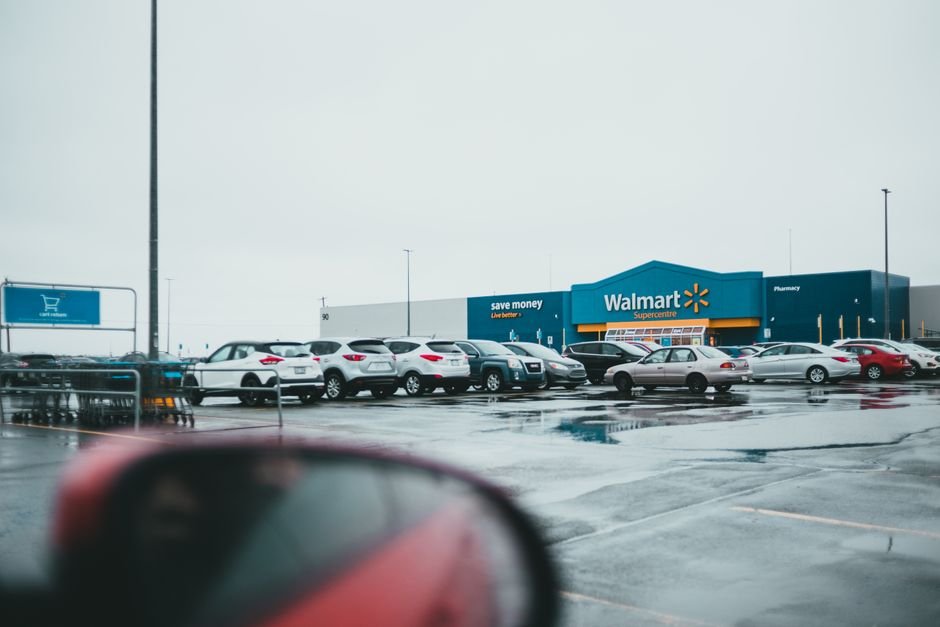
If you walked past the Walmart on Atlantic Avenue this Saturday—sweaty crowds, carts overloaded with sunscreen and pool noodles—you’d think the world’s largest retailer was printing money by the hour. But Wall Street’s mood swings don’t sync with parking lot traffic, and as of this Monday morning, Walmart’s stock is stuck in its own version of summer gridlock. Despite relentless quarterly gains, the share price has barely budged since June, while smaller rivals yo-yo on every “consumer sentiment” headline that the finance press can crank out.
Let’s stop pretending that Walmart is immune to the retail sector’s existential panic. The company’s Q2 numbers, dropped last week, landed like a half-melted ice cream cone: solid on groceries, a little weak on general merchandise, and absolutely hammered by discretionary spending pullbacks. You don’t need a Bloomberg terminal to see what’s happening—just watch the checkout lines: groceries and pharmacy are steady, but the electronics section looks like a ghost town. Investors who bought the “all weather” Walmart narrative are waking up to the fact that even behemoths sweat when summer wallets snap shut.
The so-called experts—anonymous analysts at Midtown offices who haven’t set foot in a real store since college—are still parroting the line that Walmart is a “safe haven” when the economy gets shaky. Here’s the problem: in 2026, nothing is a safe haven, not when rent and gas are squeezing every working family from Bushwick to the Houston suburbs. Walmart’s own foot traffic data (which they leak to the Street when it suits them) shows a 5% year-over-year drop in non-food purchases since early July. Someone tell the LinkedIn stock influencers: the consumer isn’t “resilient”, they’re just out of options.
If you want to understand the real crisis, look outside Manhattan. In Bentonville, people are still buying tires and patio sets because Walmart is the only real game in town. But in Philly and Atlanta, summer has become a season of trade-downs: the high schooler who used to load up on $40 swimsuits now grabs clearance tees. Local store managers are quietly telling headquarters that the “basket size” is shrinking week over week, even as store visits hold steady. It’s death by a thousand paper cuts, not a single headline-worthy disaster.
Walmart’s vaunted e-commerce operation isn’t bailing them out either. Yes, digital sales ticked up 12% last quarter, but don’t get excited—it’s mostly curbside grocery, not high-margin electronics or apparel. Amazon and Temu are eating Walmart’s lunch on price-sensitive categories, and the free-shipping arms race is getting expensive. One Walmart tech lead (who asked not to be named so HQ doesn’t put her on a performance plan) told ElephantNY: “We’re spending more on last-mile delivery than we’re making on half these orders. The stock price only looks stable because the Street can’t imagine a world where Walmart isn’t invincible.”
Industry-watchers are betting on Walmart’s legendary supply chain to keep margins fat, but here’s the dirty little secret: trucking costs are up, warehouse turnover is brutal, and the company is quietly pushing suppliers to eat more of the inflation hit. If you’re a brand trying to stay on Walmart’s shelves, your margins are toast. That tension is starting to show up in empty spots on the aisles—especially in urban stores where logistics headaches are worst. Shoppers notice, even if investors don’t.
Historically, Walmart weathered every storm by crushing weaker rivals and grinding down costs, but 2026 isn’t playing by the old rules. The chain’s relentless price focus works when there’s fat to trim, not when everyone’s already down to the bone. Just ask the families in Queens filling up $100 grocery carts and skipping everything not marked ‘Rollback.’ A decade ago, Walmart’s stock was a bellwether for the middle-class wallet. Now? It’s a lagging indicator of how squeezed the country’s bottom 70% have become.
As the dog days of summer drag on, don’t expect Walmart’s share price to break out of its rut. The real story is that the world’s biggest retailer is running out of levers to pull—and investors who treat Walmart like a recession-proof ATM are going to get burned. The uncomfortable truth: if you’re betting on Walmart outperforming in the second half of 2026, you’re betting against the American consumer finally running out of road. Maybe it’s time to stop pretending the old playbook works, and start looking for signs that even Goliath can bleed.
Frequently Asked Questions
Why is Walmart’s stock stagnating despite steady sales?
Walmart’s stock is stagnating because non-essential purchases have dropped and summer spending has slumped, revealing the retailer is affected by broader retail sector struggles.
How have Walmart’s non-food sales performed recently?
Non-food purchases at Walmart dropped 5% year-over-year since early July, according to the company’s own foot traffic data.
What is driving Walmart’s digital sales growth?
Walmart’s digital sales rose 12% last quarter, mainly due to curbside grocery orders rather than high-margin categories like electronics or apparel.
Are Walmart’s store visits declining?
Store visits at Walmart have remained steady, but local managers report that the average ‘basket size’ is shrinking week over week.
Is Walmart able to offset inflation and rising costs?
Walmart is pressuring suppliers to absorb inflation, but trucking costs and warehouse turnover are up, and increased spending on last-mile delivery is cutting into profits.