Syria’s Humanitarian Nightmare Deepens: Summer 2026 Brings No Respite for the Displaced
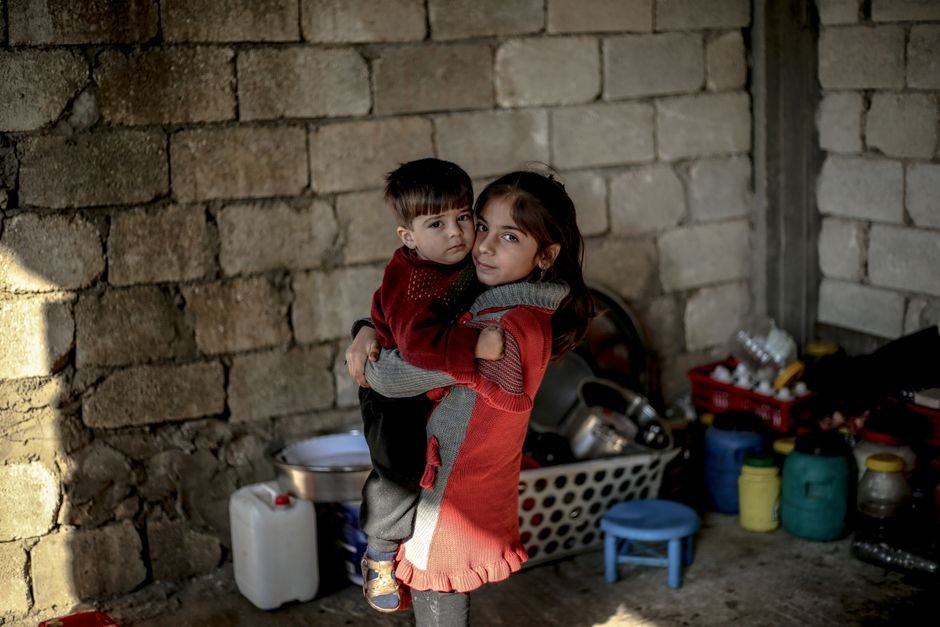
On Monday afternoon, as the sun scorched the battered streets of Idlib, aid trucks idled at yet another checkpoint—another day, another round of bureaucratic purgatory for humanitarian workers trying to deliver food to the millions still trapped in northern Syria. The situation this August is not just dire; it’s disgraceful, and the international community’s fatigue is on full display. According to field sources, more than 13 million Syrians remain displaced, with at least 70% facing acute food insecurity. The numbers are numbing, but the reality is worse: children in Aleppo’s eastern districts now scavenge in dumpsters, while families in Raqqa barter what little they have for a loaf of bread or a gallon of clean water.
The city of Damascus, once a symbol of cosmopolitan life, now feels like a fortress with its own rationing schedules and nightly power cuts. Summer’s heat has brought fresh waves of hospitalizations as waterborne diseases spike—cholera and typhoid, the old enemies, are back. Doctors in a private hospital in the Mezzeh district, speaking anonymously, describe emergency wards overrun and a government apparatus more focused on optics than outcomes. “We have no antibiotics, no saline, nothing. We’re just improvising,” one physician told us, voice tight with exhaustion.
The roots of this latest crisis stretch back well before this summer, but the current escalation can be traced to the dramatic reduction in cross-border aid allowed by the UN Security Council earlier this year. With the Bab al-Hawa crossing shuttered in May, supply lines are a patchwork of smuggling routes and sporadic aerial drops. The cost of staples has doubled even since Eid al-Adha—rice at $6 per kilo, tomatoes at $5—and local markets in Jarabulus and Azaz are half-empty even as demand soars. The black market is thriving, and so are the warlords who run it.
International NGOs, already stretched thin, are openly frustrated. “It’s as if the world has decided to look away,” says a senior coordinator for a major European relief agency, now based in southern Turkey. Their teams have resorted to covert nighttime deliveries to avoid both regime and militia checkpoints—a logistical nightmare that leaves thousands unserved every week. The failure of diplomatic efforts this summer has made clear that a political solution isn’t coming anytime soon, and those on the ground are left to improvise with ever-dwindling resources.
Meanwhile, the ripple effect is slamming regional economies. In Gaziantep, Turkey, Syrian refugees line every main intersection, swelling the informal labor market and testing the patience of local authorities. Rents are up 30% since June, and local businesses are raising prices to compensate for supply chain disruptions. The UNHCR’s regional office issued a statement last Friday warning of “permanent damage” to host communities if the crisis deepens, but their own budget shortfalls are now measured in billions of dollars.
In the West, the crisis has become background noise—at best a talking point for politicians, at worst a forgotten headline. Yet the reality is unavoidable for Syrians living through it: in Homs, a teacher named Samira describes her entire 8th grade class as malnourished, and three students died of preventable illnesses this month alone. “We don’t need more speeches,” she said. “We need food, medicine, and hope.”
If there is a glimmer of resilience, it is found in the small networks of local volunteers who continue to risk their lives. In the rebel-held neighborhoods of Daraa, young men and women use WhatsApp groups to coordinate food drops, pooling their meager supplies. Their improvisation is a lifeline, but it is not a substitute for the systemic support only an engaged international response can provide.
As the sun sets over a battered Aleppo this Wednesday, the urgency is clear: the status quo is unsustainable, and the coming weeks will determine whether this summer’s crisis becomes a permanent catastrophe. Without a major shift in international priorities—meaning real aid, real pressure, and real accountability—the suffering will only deepen. The world has ignored the warning signs before. This time, the price will be paid not in headlines, but in human lives.
Frequently Asked Questions
How many Syrians are currently displaced as of summer 2026?
Over 13 million Syrians remain displaced as of summer 2026.
Why has food insecurity worsened in Syria in 2026?
Food insecurity has worsened due to the closure of the Bab al-Hawa border crossing, collapsing aid routes, and soaring staple food prices.
What diseases are spreading in Syria due to the humanitarian crisis?
Cholera and typhoid outbreaks are increasing because of water shortages and poor sanitation.
How has the closure of the Bab al-Hawa crossing affected aid delivery?
The closure in May 2026 has severely restricted aid deliveries, forcing reliance on smuggling routes and sporadic aerial drops.
How has the Syrian refugee influx affected Gaziantep, Turkey?
Rents in Gaziantep have risen 30% since June 2026 due to the influx of Syrian refugees, and local businesses are raising prices.