Coca-Cola’s World Cup TV Ads Are Just the Tip of Their Sports Marketing Iceberg
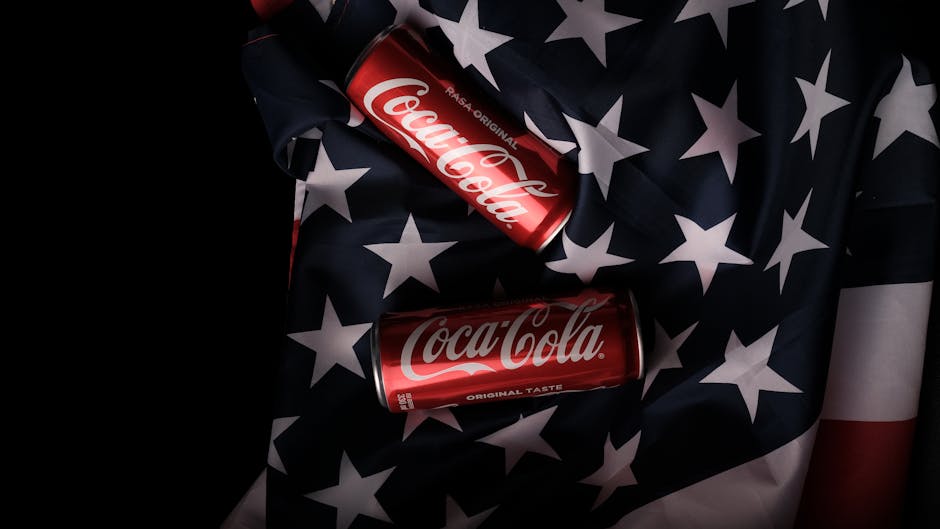
Coca-Cola’s latest Powerade campaign for World Cup 2026 is a textbook example of how lazy marketers still think slapping a TV ad on a big event equals a winning strategy. Spoiler alert: it doesn’t. The beverage giant’s approach isn’t just about a 30-second spot during halftime; it’s a full-court press across social media, digital channels, and yes, traditional TV. This 360-degree bombardment is designed to squeeze every last drop of eyeball juice from an event that commands global attention.
The obvious takeaway? TV ads alone don’t move the needle anymore. Coke’s acknowledging the brutal truth that in 2024, no brand can afford to treat TV as the be-all-end-all of sports marketing. It’s just one cog in a sprawling machine where digital engagement, influencer partnerships, and real-time social content drive the real impact. The days of agencies pitching “TV first” campaigns without a cohesive digital playbook are mercifully dying.
But let’s not kid ourselves — this is still a massive brand dumping huge dollars on eyeballs during a global spectacle. The difference is Coke isn’t relying solely on nostalgia or brand equity to generate ROI. Instead, it’s fusing traditional and modern tactics. They leverage TV’s broad reach to anchor awareness, then funnel viewers into digital ecosystems where engagement metrics and data-driven optimizations actually prove worth.
Coke’s strategy also exposes the marketing grift around “10x agencies” and their empty promises. Any “guru” still selling TV ads as the crown jewel of campaigns is stuck in a pre-2015 mindset. Meanwhile, Coke’s playbook screams “no shortcuts” — a brutal acknowledgment that sports sponsorship success demands orchestrated chaos across every channel.
Here’s the uncomfortable truth for the industry: If you’re still building campaigns that hinge on TV alone, you’re wasting money and falling behind. The brands that will win World Cup marketing battles in 2026 and beyond are those that treat TV as a part of a larger ecosystem, not the entire ecosystem. This means investing heavily in data, digital-first creative, and social amplification instead of resting easy on legacy media buys.
Coca-Cola’s Powerade campaign is a brutal reminder that sports marketing isn’t about one shiny tactic — it’s about ruthless integration and relentless optimization. If you want to keep playing in this league, stop worshipping outdated TV-only strategies and start building campaigns that actually perform in today’s fragmented media landscape.