Google’s Obsession With ‘Russian Fighter Jets’ Tells You Everything About This Summer’s Anxiety
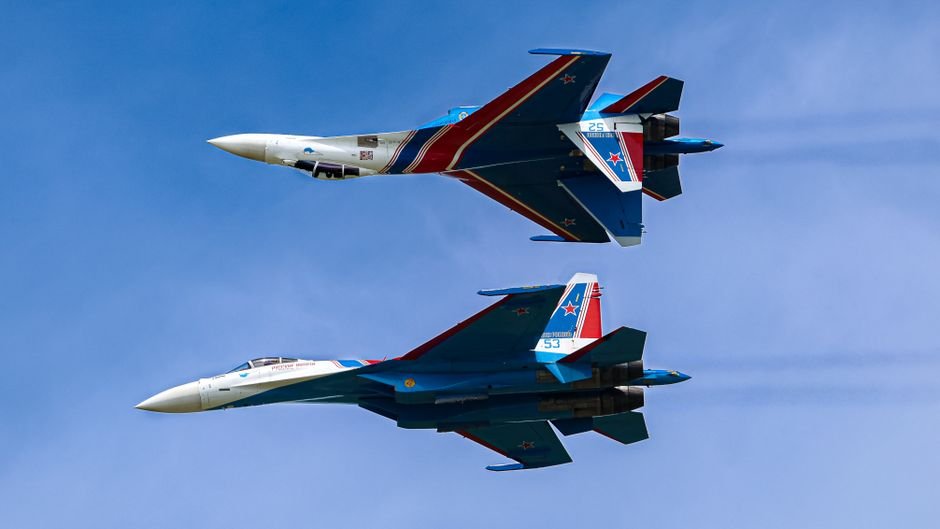
On Tuesday night, as the city sweltered and the FDR Drive turned into a parking lot of honking rideshares, Google’s trending charts flashed a new obsession: ‘Russian fighter jets.’ Not Taylor Swift tour dates, not the best frozen margarita on St. Marks, but cold, hard machinery of war. The spike isn’t some random noise. It’s the digital pulse of this summer’s nervous system, a collective late-night doomscroll reflecting real-world escalation and the media’s inability to cut through the fog.
This isn’t the first time New Yorkers have watched foreign military hardware dominate the conversation, but the stakes feel different in July 2026. Unlike the TikTok-fueled curiosity of past years, this surge isn’t driven by military hobbyists or Top Gun wannabes. It’s city professionals, parents, and even one SEO agency founder from Greenpoint who admitted—off the record, obviously—that they’re worried about how close these machines are to shifting the balance in Europe or the Middle East. The news trickles in: new Russian sorties over contested borders, video footage leaking onto Telegram, and the inevitable, breathless CNN coverage by 9 a.m. the next day.
Industry insiders are paying close attention, and not just out of idle curiosity. One aerospace analyst we spoke to (who asked not to be named, citing client sensitivities) pointed out that every uptick in search interest correlates with a burst of procurement activity. “When Google pops, so do the inboxes at Sukhoi and MiG sales reps,” he said. This isn’t just about national militaries—private security contractors, arms brokers, and even hedge funds are scraping these signals, betting on which model will be the next export hit or sanctioned pariah.
Historically, Russian fighter jets have been both a symbol of Soviet-era power projection and a practical commodity in the global arms bazaar. The MiG-29 and Su-35 aren’t just museum pieces; they’re regular fixtures in the arsenals of states from North Africa to Southeast Asia. So when digital searches spike, it isn’t just trivia—it’s a real-time metric of how jittery the world’s markets and governments have become. The last time this kind of volume hit, several major deals materialized within weeks, and insurance rates for shipping in the Black Sea quietly doubled.
The neighborhood angle is hard to ignore. From Astoria’s Russian-speaking bars to the late-night chess matches in Brighton Beach, there’s more talk about hardware and headlines than at any point since the bad old days of the Cold War. Locals swap Telegram links, not memes. Even in the city’s upscale defense consulting circles, the mood is less armchair theorizing, more actual contingency planning. An Upper West Side analyst—whose firm tracks military supply chains—summed it up: “If you think this is just another hype cycle, you’re not paying attention. The surge in digital chatter always precedes the real-world moves.”
Tech platforms aren’t helping. Google’s Knowledge Panel for ‘Russian fighter jets’ is a mess: outdated specs, Wikipedia fodder, and a carousel of unrelated YouTube clips. Meanwhile, AI-powered news feeds push half-baked think pieces by LinkedIn warriors who wouldn’t know a Sukhoi from a subway. The real intelligence, as usual, is buried—sometimes literally—in the footnotes of procurement filings and leaked WhatsApp groups. But as long as agencies keep optimizing for volume instead of accuracy, the public’s anxiety will spike every time some intern rewrites a press release for clicks.
What does all this mean for the industry? The short answer: a lot more noise, a lot less clarity. Defense contractors now monitor SEO trends as closely as trade embargoes. The city’s data brokers—those quietly lucrative outfits in Midtown—have started bundling Google Trends with their geopolitical risk reports, selling them at a premium to anyone with a budget and the right paranoia. And every time a new ‘leak’ trends, expect a flurry of job postings for analysts who can separate YouTube vapor from actionable insight.
Looking forward, expect this pattern to accelerate. With military alliances shifting and proxy conflicts boiling over, the next spike in ‘Russian fighter jets’ searches will be less about curiosity and more about imminent deals, deployments, or disasters. The uncomfortable truth? If you’re relying on Google’s top results to make sense of the world’s most dangerous machines, you’re already behind. The smart money is on those tracking the chatter before it hits the front page—and acting on it while everyone else is still refreshing their feeds.
Frequently Asked Questions
Why did Google searches for ‘Russian fighter jets’ spike in July 2026?
The spike reflects heightened public anxiety and real-world geopolitical tensions, with increased interest from city professionals, parents, and industry insiders.
Who is driving the surge in searches for Russian fighter jets?
The surge is driven by city professionals, parents, and industry insiders, not just military enthusiasts.
What is the connection between Google search trends and arms deals?
Increased search interest correlates with procurement activity and arms deals, as noted by an anonymous aerospace analyst.
Which Russian fighter jets are most frequently mentioned in the article?
The MiG-29 and Su-35 are highlighted as widely used Russian fighter jets.
How are local New York communities reacting to the increased interest in Russian fighter jets?
Communities like Astoria and Brighton Beach are discussing these developments more than at any time since the Cold War, with locals sharing news and contingency planning.