Iran’s Calculated Gambit: Tehran’s Summer Power Play and the US Foreign Policy Hangover
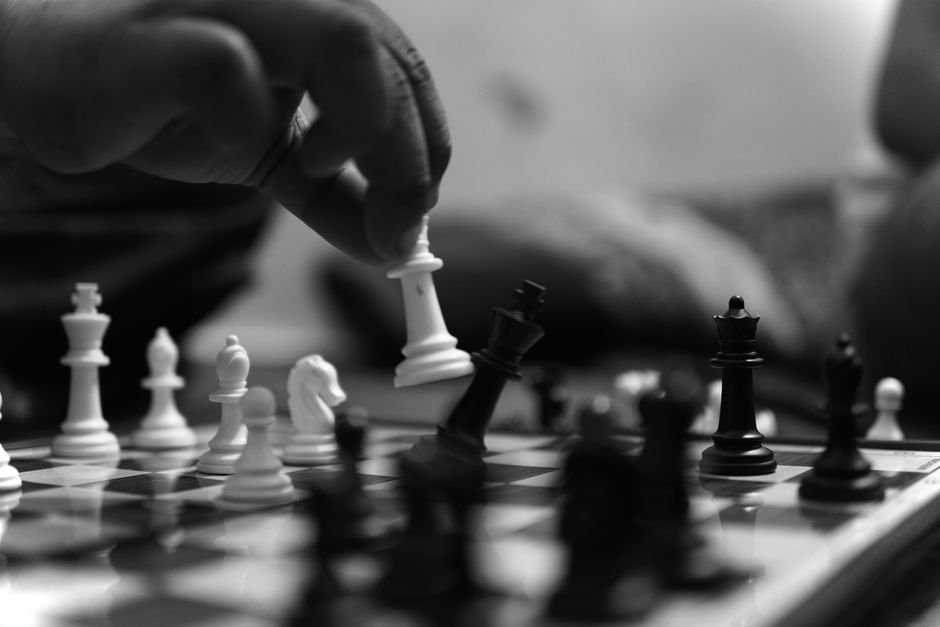
The summer streets of Midtown are humming with speculation, not just about the humidity or Mets box scores, but about Tehran’s latest diplomatic pirouette. Iran’s foreign ministry, after months of deliberate silence, has begun floating trial balloons hinting at renewed regional engagement—and the US policy establishment is scrambling to parse what, if anything, that means for the next quarter’s playbook. The State Department’s briefings this week have been a masterclass in obfuscation, with spokespeople dodging on-camera, off-the-cuff questions about backchannel contacts and the nuclear file. For all the noise, one thing is clear: Iran is not playing the same tired script it did back in the old JCPOA days.
Let’s get something out of the way: the narrative that Iran is an isolated, ideologically rigid actor is as outdated as the floppy disk. Since the spring, Iran has been quietly strengthening economic ties with the UAE and, more alarmingly for Foggy Bottom, deepening its energy and security coordination with China. That’s not some outlier headline—it’s visible in oil shipping volumes, satellite-tracked, and in the sudden influx of Mandarin-speaking contractors in Bandar Abbas. The US, meanwhile, continues its ritual hand-wringing, issuing sanctions like parking tickets, while the world’s energy markets respond in real time.
Nowhere is this more obvious than in the patchwork of Brooklyn’s Iranian diaspora, where café conversations have shifted from nostalgia to pragmatic assessments of what a Chinese-backed Iran might mean. The expat entrepreneurs running logistics out of Long Island City aren’t waiting for the next round of diplomatic summits—they’re already moving capital and supply chains to account for a world where Tehran has more leverage. “We don’t trust either side, but Beijing writes bigger checks,” one business owner told us, asking not to be named.
History is a stubborn teacher. Anyone who remembers the 1979 revolution or the so-called “maximum pressure” campaign knows that Iran’s leadership thrives on being underestimated. The real shift this summer is in how openly the regime is telegraphing its options. Last Tuesday, Iranian state media ran a primetime segment showing joint naval drills with Russia in the Caspian Sea. That’s not just bluster for domestic consumption—it’s a message to every State Department analyst burning the midnight oil this July: we have partners.
The White House’s public response has been a study in wishful thinking. National Security Council staffers, speaking on deep background, admit that the administration is split between hawks demanding more visible deterrence and pragmatists who see a window for a new regional security pact. “There’s no consensus—just a lot of nervous people watching crude prices tick up,” one official said, glancing at his phone during a Friday happy hour near K Street.
Industry implications are immediate and ugly. US oil traders, who for years counted on predictable disruptions from Iran as a volatility play, are suddenly facing a market where Tehran’s deals with China and India insulate it from the usual American leverage. Houston energy consultants are seeing clients panic as Iranian barrels find new routes, bypassing the old choke points. No one wants to say it out loud, but the private equity crowd is quietly shifting bets away from Gulf-centric assets.
On the diplomatic front, European envoys in DC, still clinging to the fantasy of a Brussels-led mediation, are privately conceding that the center of gravity has shifted east. The French ambassador’s off-the-record remarks at a Thursday dinner in SoHo made it clear: “Washington is a spectator now, not a referee.” That’s a bitter pill for policymakers who grew up on the myth of American indispensability.
The coming weeks will be ugly for anyone betting on a quick diplomatic reset. Iran’s leadership has every incentive to drag out talks, extract concessions, and squeeze the US for regional credibility. The Biden team (or whatever is left of it after this summer’s staff turnover) faces a choice: adapt to a multipolar Middle East where old rules don’t apply, or keep pretending that press releases and symbolic sanctions will move the needle. Tehran is betting on the latter. The smart money, at least this Saturday in New York, is that the US establishment is about to get schooled—again.
Frequently Asked Questions
How is Iran strengthening its ties with China and the UAE in 2024?
Iran has been quietly increasing economic ties with the UAE and deepening energy and security coordination with China, as seen in rising oil shipping volumes and the presence of Mandarin-speaking contractors in Bandar Abbas.
What evidence is there of increased Iranian oil exports this summer?
Satellite data shows increased oil shipping volumes from Iran, and US oil traders are noticing market shifts as Iranian oil finds new routes.
How has Iran demonstrated its military partnerships recently?
Iranian state media aired a primetime segment showing joint naval drills with Russia in the Caspian Sea last Tuesday.
How is the US government responding to Iran’s new foreign policy moves?
National Security Council staffers admit the Biden administration is split between those calling for more deterrence and those seeing an opportunity for engagement, while State Department briefings have avoided giving clear answers.
What impact are Iran’s actions having on US energy markets and diaspora communities?
US energy consultants are seeing market shifts due to Iranian oil exports, and Iranian diaspora entrepreneurs in New York are adjusting their capital and supply chains in response to Iran’s growing leverage with China.