Iran’s Nuclear Brinkmanship Hits Autumn Boil as Regional Tensions Rattle Global Markets
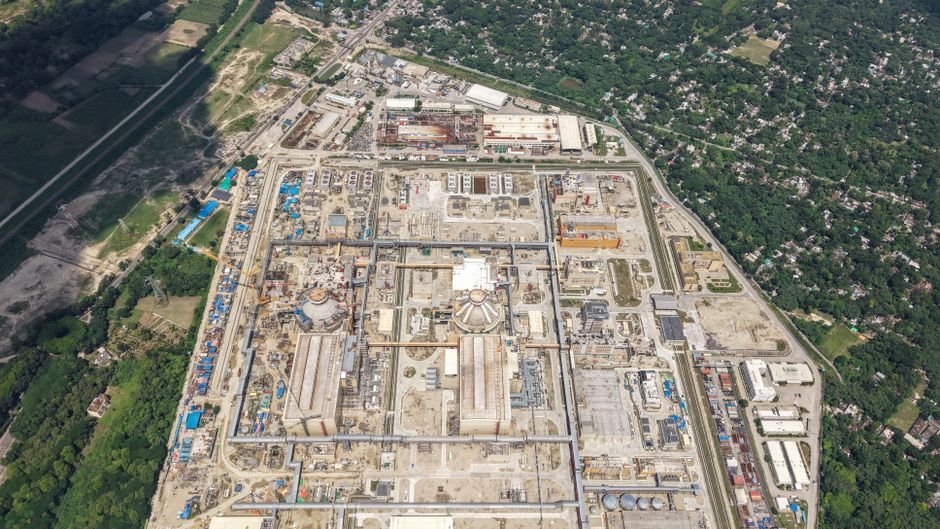
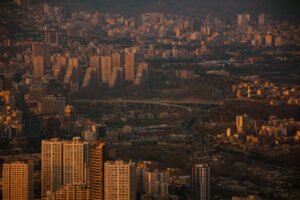
Sunday afternoon in Tehran’s central Marzdaran district, the cafés are buzzing about one thing: the latest volley of nuclear negotiations that, yet again, have the world’s diplomats pacing on threadbare carpets. The atomic chess match between Iran and the so-called E3+3 has dragged into its twenty-sixth season, but the stakes haven’t cooled. This week, leaked documents from Vienna showed Iran’s uranium enrichment now hovers near weapons-grade—an open dare to Washington and Brussels, with Tel Aviv not even pretending to hide its hand anymore.
Iranian officials, fresh from fiery Friday sermons, are calling the Western demands “colonial nonsense.” Behind closed doors, though, a senior official admitted to ElephantNY that the regime is “playing for time,” leveraging nuclear ambiguity for economic concessions. The Rouhani-era strategy of strategic patience has given way to what one European diplomat called “strategic defiance”—and the markets have noticed. Brent crude spiked nearly 7% since Wednesday, as traders in Dubai and Istanbul hedge against a regional blowout that feels less hypothetical by the hour.
The local impact is more than numbers on a Bloomberg terminal. Iran’s middle class, already battered by inflation that makes last autumn’s prices look quaint, now faces rolling blackouts and food ration lines stretching down Karim Khan Zand Boulevard. In the bazaars of Isfahan and Shiraz, the mood is one part grim resolve, one part exhausted cynicism. A shopkeeper near Tehran’s Grand Bazaar told us, “They talk about uranium, but we can’t afford beef.” It’s the quintessential disconnect: nuclear brinkmanship played out in the corridors of power while daily life gets squeezed in the alleyways.
This autumn’s nervous energy is fed by a decade of whiplash. The nuclear deal signed and then torpedoed, snapback sanctions, cyberattacks, shadow wars in Syria and Iraq—each episode more destabilizing than the last. The regional ripple effect is immediate: Saudi and Emirati officials are quietly shoring up civil defense, Israeli jets buzz the Golan at dawn, and even European capitals are dusting off contingency plans for a winter energy crunch. Iran’s hardliners, for their part, are betting that Western fatigue will outlast domestic hardship.
Industry insiders in the oil and gas sector privately admit that the “maximum pressure” campaign is a joke—smuggling networks through Bandar Abbas and Baku have never been busier. An American analyst, speaking under condition of anonymity, called the enforcement regime “peak nothingburger,” adding, “Everyone’s pretending the sanctions matter, but the barrels keep flowing. It’s all kabuki for the cameras.” Meanwhile, tech entrepreneurs in Tehran grumble about VPN crackdowns and the regime’s latest block on WhatsApp, but the real threat is a power grid on the brink from chronic underinvestment.
The diplomatic theater is matched only by the digital one. Iranian state media is spinning every negotiation hiccup as a victory, but on Telegram and Instagram, the youth are openly mocking the regime’s “red lines.” A student at Sharif University told ElephantNY, “We know the game—promise reform, deliver repression.” Western officials, watching from their embassies in leafy northern Tehran, are quietly recalibrating their expectations: nobody expects a breakthrough this season, and everyone’s preparing for escalation.
The global tech sector isn’t immune. European chipmakers and Asian logistics firms are scrambling to reroute supply chains, wary of any new red lines that could trigger secondary sanctions. Even American cloud providers are bracing for a spike in cyberattacks traced back to Iranian proxies. A security consultant in Istanbul said flatly: “If you’re not watching Iranian threat actors this fall, you’re asleep at the wheel.”
As September draws to a close and the election cycle heats up in the West, the Iranian regime is betting on distraction and delay. But this autumn, the world is less patient. The uncomfortable truth: unless someone calls the bluff—publicly, with real consequences—the cycle will repeat, next quarter, next year, always with more at stake. The only way out? Stop pretending the old playbook works, and start treating nuclear blackmail as what it is, a negotiation with a loaded gun on the table.
Frequently Asked Questions
How close is Iran to weapons-grade uranium enrichment?
Leaked documents from Vienna indicate that Iran’s uranium enrichment is now near weapons-grade.
How have global oil prices responded to Iran’s nuclear escalation?
Brent crude oil prices have spiked nearly 7% since Wednesday due to fears of regional conflict.
What economic hardships are Iranians facing amid the nuclear standoff?
Iran’s middle class is dealing with rolling blackouts, food rationing, and high inflation.
Are Western sanctions effective in stopping Iranian oil exports?
Industry insiders say smuggling networks through Bandar Abbas and Baku are thriving, and the ‘maximum pressure’ campaign is not stopping oil flows.
How are regional and global actors preparing for possible escalation with Iran?
Diplomats and officials in Saudi Arabia, the UAE, Israel, and Europe are preparing for possible escalation and energy shortages.