
Mother’s Day in the City: A Patchwork of Love Across Cultures and Boroughs
On a sunny morning in Jackson Heights, a small bakery hums with activity as the scent of cardamom and rosewater mingles with the regular aroma of fresh bread. Mothers clutch boxes of sweet treats—baklava, gulab jamun, tres leches cake—delivered by children who are as diverse as the neighborhood itself. Across the city, in Brighton Beach, bouquets of lilacs and peonies spill out of shop windows, while in Flushing, families gather over steaming bowls of congee and dumplings. Mother’s Day in New York City is a quiet symphony of different rhythms, woven from immigrant traditions as much as from homegrown customs.
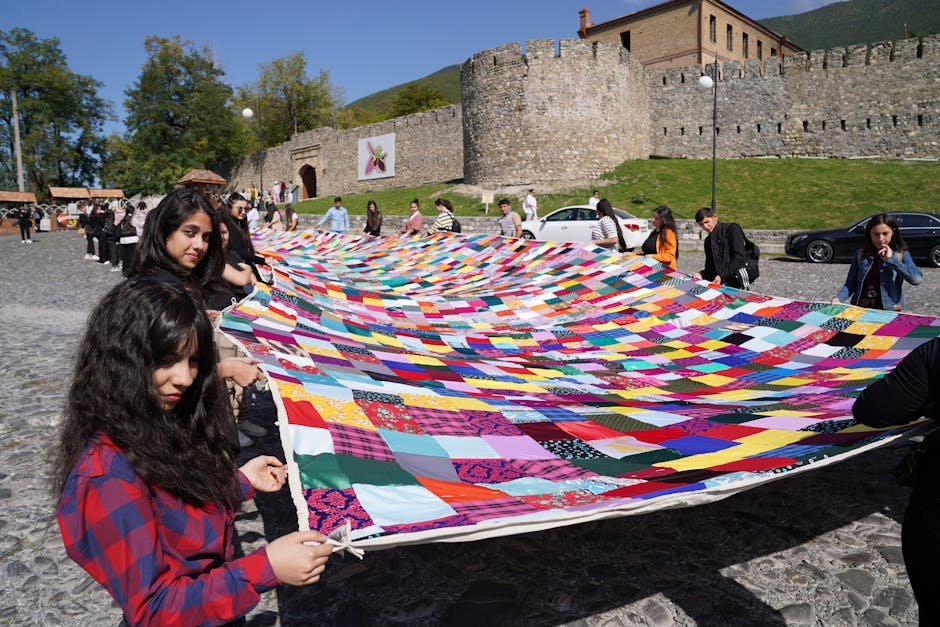
Unlike the uniform rhythms of a national holiday, Mother’s Day in the city unfolds as a mosaic, reflecting the intimate ways communities honor motherhood. For many immigrant families, the day is less about grand gestures and more about blending old customs with new surroundings. In the South Asian enclaves of Queens, for instance, it’s common to see families exchanging phone calls with mothers thousands of miles away, while also sharing an elaborate brunch that melds American pancakes with parathas and mango lassi. The flowers may be carnations, a nod to the holiday’s Western roots, but the meal and the conversation carry the essence of home.
In neighborhoods like Harlem and Bed-Stuy, where African-American families have deep roots, Mother’s Day often carries a quiet reverence for matriarchs whose strength has been central to community survival. Here, celebrations sometimes stretch beyond Sunday, with church services offering special blessings and families gathering for soul food dinners. The day is both a personal and collective honoring, a chance to say “thank you” through the language of food, music, and storytelling.
The city’s Latinx communities bring their own rich layers to the holiday. In Washington Heights, mothers might receive not only flowers but also handmade cards crafted by children in local schools, often blending Spanish phrases with English. On the streets, you might hear the strains of bachata or salsa drifting from gatherings where abuelas (grandmothers) are showered with hugs and homemade arroz con leche. For many, the day is an opportunity to connect generations, reaffirming bonds that stretch across countries and decades.
Yet, some New Yorkers come from cultures where Mother’s Day is less prominent or observed differently, if at all. For these families, the day may pass quietly, or be folded into other celebrations that honor elders, such as the Lunar New Year or Día de los Muertos. The city’s patchwork of immigrant experiences means this holiday can also be a time of adaptation—finding ways to honor mothers that feel authentic within a new cultural landscape.
At the heart of all these diverse observances is a shared understanding: Mother’s Day is less about commercial trappings and more about presence. In a city that often feels vast and impersonal, the day offers a moment to pause, to connect across generations and geographies, whether through a phone call, a home-cooked meal, or a bouquet from a street vendor who knows your mother’s favorite flower. It’s a celebration that, through its many forms, quietly asserts the central place of mothers in the story of family and belonging.
This Mother’s Day, as you navigate the city’s many offerings—whether stopping at a bodega for a simple card, arranging a video call abroad, or joining a local church service—consider the layered traditions behind the day. Each gesture, big or small, carries a history of migration, adaptation, and love. In a city woven together by stories from every corner of the world, honoring mothers means honoring the ties that bind us all, in the places we call home and the ones we carry in memory.