Netanyahu’s Summer Swerve: Power Plays and the New Fragility of Israeli Governance
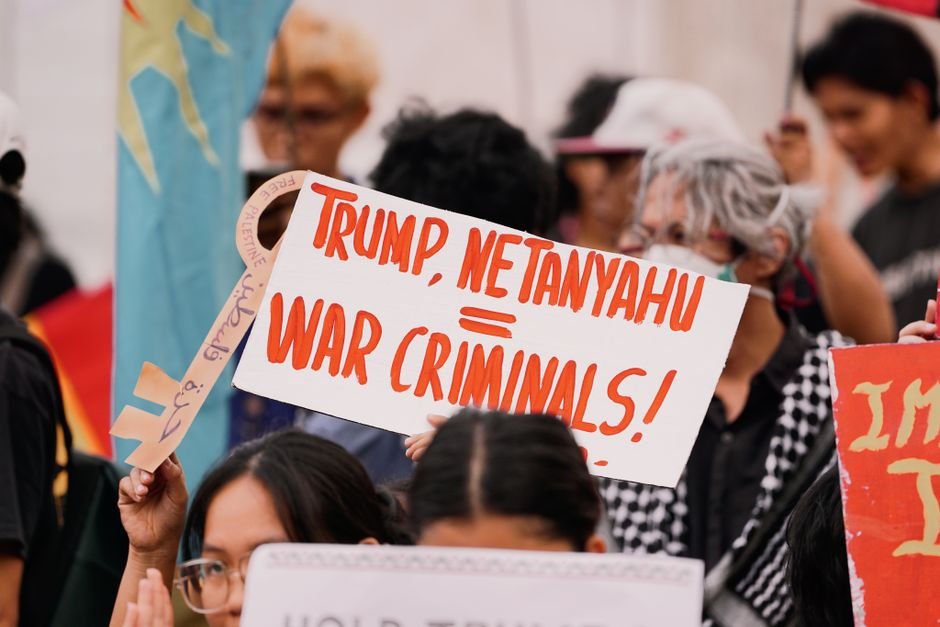
If you want to understand Benjamin Netanyahu’s latest high-wire act, forget the sanitized soundbites from the expat pundit class. Walk through Tel Aviv’s Dizengoff Square this Friday evening, and you’ll feel the tension humming through the street protests, the snatches of argument drifting from open-air bars, the exhausted cynicism of a city that’s seen this show too many times before. Netanyahu’s coalition survived yet another confidence vote this week, but the price was a fresh round of political horse-trading so brazen, even the Knesset’s old guard are muttering about long-term damage.
Netanyahu’s genius, if you want to call it that, has always been survival via improvisation: swapping ministries, dangling judicial reforms, and cutting deals with the most toxic fragments of the far right. This summer, he’s doubled down. The prime minister’s new alliance with the splintered Religious Zionist bloc is less about ideology than cold arithmetic; it’s the kind of move that keeps him in office through September, while mortgaging every scrap of public trust Israel’s institutions still enjoy.
Industry insiders—seasoned civil servants, not the LinkedIn geopolitics grifters—are openly worried. “Every time Bibi reshuffles, entire ministries freeze,” said one veteran manager at the Ministry of Health, speaking off the record. “Our budgets go into limbo, planning is impossible, and nobody knows who’ll be their boss next week.” The ripple effect is real: last month’s infrastructure tenders stalled, and several big tech contracts are now in limbo because investors no longer trust the government to honor timelines.
The constant brinkmanship isn’t just a Jerusalem spectacle. In Tel Aviv’s Sarona tech district, several founders told ElephantNY that international partners are suddenly asking awkward questions about political risk. “It’s not the rockets, it’s the whiplash,” said one SaaS CEO, who asked not to be named. “When every minister is one bad headline away from being sacked, you can’t bet on policy. It makes Berlin look like Switzerland.”
For Netanyahu, this is nothing new. His career is a graveyard of rivals dispatched and alliances betrayed—he’s been prime minister longer than any living Israeli. But the current climate is different: inflation is biting, the labor unions are restive, and the centrist opposition is finally showing some backbone. Even his own Likud hardliners are restive, sick of being asked to swallow ever more toxic coalition partners for the sake of keeping Bibi in the driver’s seat.
Those who think this is just another cycle haven’t been watching the ground. Last Sunday’s protest outside the Knesset was the largest since the judicial reform debacle, and unlike past years, the crowd was younger, angrier, and far less willing to be bought off by performative gestures. “The old tricks aren’t working,” said a former senior advisor to two previous governments. “People are tired. The country is tired. Netanyahu is running out of moves.”
For the business and tech community, the implications are stark. Israel’s vaunted startup ecosystem depends on the kind of regulatory and judicial predictability that Netanyahu’s maneuvers routinely sabotage. The new wave of founders doesn’t remember the Oslo Accords, but they do remember the last time a government collapsed mid-pivot, and the investment drought that followed. With the US election circus heating up and Europe distracted by its own summer of strikes, don’t expect outside rescue.
The forward view isn’t pretty. As temperatures climb and the summer tourist influx brings more eyes (and more money) to the country, every bad headline becomes a global one. Netanyahu is betting he can ride the chaos into yet another autumn in power. But if you listen to the street—on Allenby, on Rothschild, in the overheated offices around Herzliya—it’s clear the patience is gone. The next misstep could be the one that finally snaps the old order for good.
Frequently Asked Questions
How did Netanyahu’s coalition survive the latest confidence vote?
Netanyahu’s coalition survived another confidence vote this week through controversial political deals and alliances with far-right parties.
What impact are Netanyahu’s political maneuvers having on Israeli government ministries?
Frequent cabinet reshuffles are causing government ministries and infrastructure tenders to stall, with budgets in limbo and planning made impossible.
Why are international investors concerned about Israel’s political situation?
Tech sector leaders report that international investors are increasingly worried about political risk due to government instability and unpredictable policy changes.
How are Likud hardliners reacting to Netanyahu’s current alliances?
Even Likud hardliners are expressing frustration over Netanyahu’s reliance on unstable far-right alliances to maintain power.
What was notable about the recent protests outside the Knesset?
The recent protests outside the Knesset were the largest since the judicial reform crisis, with a notably younger and angrier crowd participating.