Retailers Deploy Fuel Perks Amid $4 Gas to Trap Shoppers—A Short-Term Band-Aid on a Long-Term Crisis
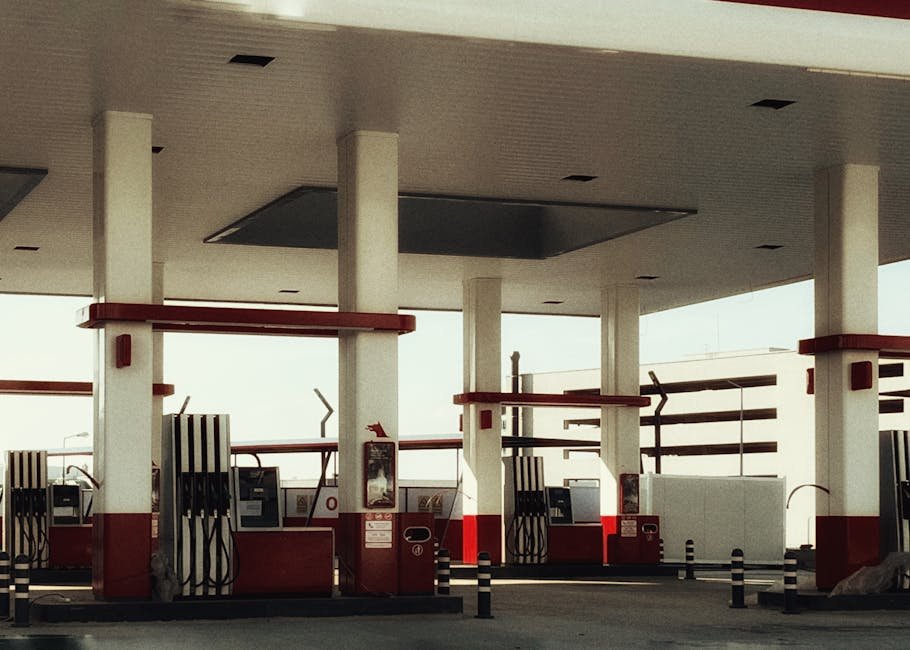
Let’s cut the crap: gas prices soaring past $4 a gallon in the U.S. aren’t just a headline, they’re a consumer wallet punch straight to the gut. And while the root cause is complex—thanks to geopolitical tensions like the U.S.-Iran standoff—retailers have zeroed in on a cheap marketing fix: fuel perks. These limited-time offers, from discount pumps to loyalty points redeemable for gas savings, are cropping up across various chains, desperate to lure cost-conscious shoppers into their stores.
This isn’t generosity; it’s calculated desperation. Retailers are weaponizing fuel perks to boost foot traffic amid an inflationary nightmare. The logic is simple and cynical: if your customers are driving less because of high gas prices, you better find a way to trick them into coming back. Yet, this approach is a classic example of retail short-termism. It patches a gaping wound with a band-aid but does nothing for the systemic issue of supply shocks and price volatility.
Brands like Kroger and Walmart have jumped on this trend, offering fuel discounts tied to in-store purchases. Meanwhile, convenience stores and gas stations are doubling down on loyalty programs that promise pennies off per gallon. It’s a race to see who can bleed the least while pretending to help. But make no mistake, these perks are less about consumer relief and more about jacking up basket sizes and data capture.
Let’s not pretend these gimmicks replace the need for meaningful reform or smarter energy policies. Instead, they serve as a marketing distraction—retailers hoping to look like heroes while the industry and government kick the can down the road. What consumers need is structural change, not fleeting coupons masquerading as salvation.
Here’s the uncomfortable truth: retailers should stop wasting marketing dollars on these shallow fuel perks and start investing in smarter, longer-term value propositions. Build real loyalty through product innovation, price transparency, and supply chain resilience—not by dangling a few cents off gas prices that will vanish the moment geopolitical tensions ease. If the industry wants to survive this energy crisis, it’s time to grow up and stop playing gas station Santa.