Storm Season Hits Hard: Tornadoes Expose New York’s Disaster Blind Spots
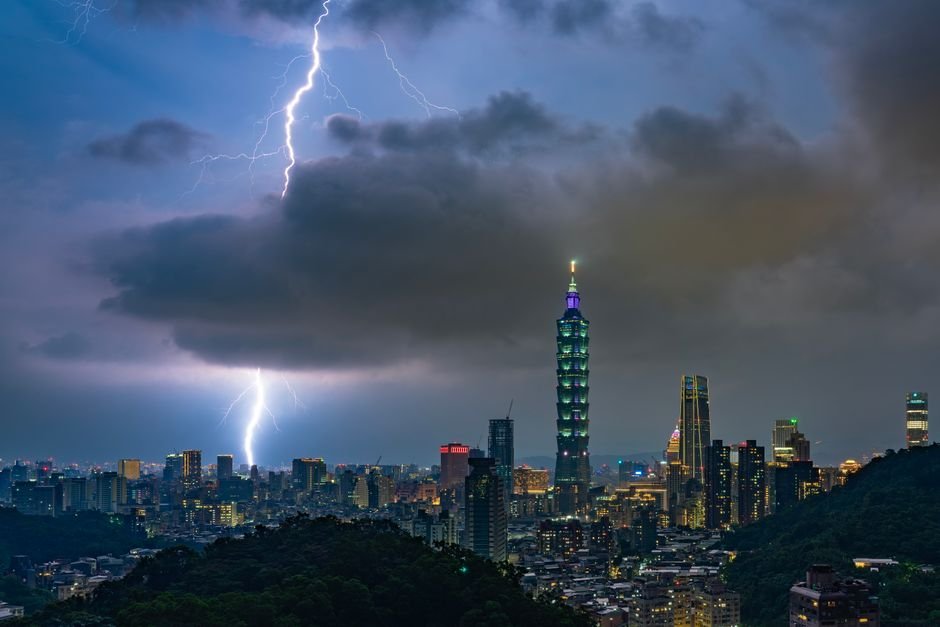
It’s Monday morning in late June and the air is already heavy with humidity, commuters dodging puddles left by last night’s thunderstorm. If you were anywhere near Flatbush Avenue around midnight, you heard the sirens wailing and the sky splitting in half with lightning. Brooklyn isn’t supposed to feel like Oklahoma City, but here we are—another week, another tornado warning. Yes, tornado. Not in Kansas, but in Kings County. The National Weather Service confirmed two touchdowns in Queens and Nassau County over the weekend, and the usual city shrug is giving way to real concern.
This isn’t just freak weather. The frequency and ferocity of storms have been ramping up all season, and not just in the South or Midwest. NYC’s infrastructure, built for the occasional nor’easter, is failing in the face of these new, violent systems. Subway tunnels flooded again on Sunday, with A-train riders posting videos of water pouring down the stairs at Hoyt-Schermerhorn. The city’s Office of Emergency Management is spinning up press releases, but on the ground, it’s painfully clear: our systems are not ready for this.
Industry insiders are already fuming. One senior official at a major utility, who asked not to be named because he’s tired of getting angry calls from City Hall, told us the grid is teetering. “Every time we patch a substation, another two go down. These storms are coming in waves we never planned for.” Insurance adjusters are quietly warning brokers in Astoria and Canarsie that premiums could spike again before July is out. The actuarial math is brutal: more claims, higher risk, more people priced out of even basic coverage.
New Yorkers are tough, but they’re also tired. In East New York, the local community board spent last Friday distributing sandbags and bottled water, one eye on the radar and another on the city’s sluggish response. “They keep talking about resilience, but nobody’s telling us what to do when the power’s out and cell service is down,” said a board member, waving a soaked copy of the city’s ‘Ready NYC’ pamphlet. “We’re improvising, because we have to.”
Historically, tornadoes were a statistical footnote in the city’s disaster planning. A decade ago, a tornado meant some downed trees in Park Slope and a few viral videos. Now, they’re tearing off roofs in Far Rockaway and sending city agencies scrambling for answers. The city’s building codes, updated in fits and starts, still lag behind the new normal. Weather experts say the Atlantic jet stream is shifting, dragging Midwest-style supercells right up the I-95 corridor. “If you’re waiting for the ‘old normal’ to come back, give up,” says one atmospheric scientist with a local university. “This is the climate now.”
The private sector isn’t waiting around. Developers in Long Island City are quietly adding reinforced storm shelters to new high-rises—even though the city’s code doesn’t require them yet. Local hardware stores in Jackson Heights reported running out of generators and sump pumps by Saturday afternoon. And the city’s gig economy—bike couriers, food delivery workers, are demanding hazard pay after two were hospitalized dodging falling debris on Broadway.
Meanwhile, the city’s disaster response is stuck in a familiar rut: too little, too late, with more PR than preparation. After last week’s subway flooding, the MTA released a ‘lessons learned’ memo that read like a cut-and-paste job from last summer’s storms. FEMA is sending assessment teams, but if you watched them tour flooded basements in South Ozone Park this weekend, you know they’re a step behind the next weather alert. The city’s vaunted ‘climate adaptation plans’ mostly live in PDFs and PowerPoints, not in sandbags or working pumps.
Looking ahead to the rest of the summer, experts warn that this is just the opening act. The Atlantic hurricane season is expected to peak in August, and the city’s already battered infrastructure is one direct hit away from catastrophe. The uncomfortable truth: unless New York and cities like it overhaul their disaster playbooks—not just talk about it—residents will keep paying the price, both in dollars and in trauma. The storms aren’t waiting for better plans, and neither should we.
Frequently Asked Questions
How many tornadoes touched down in New York City over the weekend?
Two tornadoes touched down in Queens and Nassau County over the weekend in late June.
How did the tornadoes affect New York City’s subway system?
Subway tunnels, including at Hoyt-Schermerhorn, flooded again on Sunday, disrupting A-train service.
Are insurance premiums expected to rise in New York City due to recent storms?
Insurance premiums in areas like Astoria and Canarsie are expected to spike due to increased storm claims.
What are developers in Long Island City doing in response to increased tornado risk?
Developers in Long Island City are adding storm shelters to new high-rises even though there is no city code requirement.
How are local residents and businesses reacting to the storms?
Local hardware stores in Jackson Heights ran out of generators and sump pumps by Saturday afternoon, and community boards are distributing sandbags and bottled water.