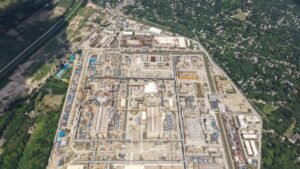
Tehran’s Nuclear Endgame: Iran Doubles Down as Negotiations Fray and the Region Braces
If you took a walk down 12th Street in Manhattan this Wednesday, you’d hear the same chatter from cabbies and coffee shop owners: is Iran really going to cross the nuclear Rubicon this fall, or is this just another round of diplomatic theater? It’s not just Beltway think-tankers chewing over Tehran’s latest gambit. With the ink barely dry on October’s round of talks in Vienna, Iran’s hardliners have made it clear — they’re playing for keeps, regional stability be damned. This isn’t about incremental enrichment caps or symbolic inspections. It’s about leverage, and Tehran has more of it than Western pundits want to admit.
Flash back to last summer, when the world’s attention was somewhere between Ukraine’s front lines and AI bubble mania. Iran, meanwhile, methodically increased uranium enrichment, spooked the Gulf, and watched Western negotiators blink. The so-called Iranian “maximum pressure” campaign morphed into a “maximum patience” doctrine: outlast, outmaneuver, and out-PR the State Department. By the time the autumn leaves started turning in Tehran, the regime was already operating advanced centrifuges at Natanz and Fordow, just as satellite analysts from Herzliya to Langley warned they would.
Ask anyone in the energy corridor of Houston or in the risk offices of Citi this week, and they’re already baking Iranian unpredictability into their models. When oil traders start their Monday mornings, there are fresh rumors every cycle — a new round of IRGC naval drills in the Gulf, another cyber attack claim out of Tel Aviv, another breathless Axios leak about “breakout time.” This is not just geopolitical background noise: the price of Brent has been dancing in the $100-$110 range for much of September and October, fueled by speculation that a failed deal could mean tit-for-tat sanctions and proxy flare-ups from Basra to Beirut.
On the ground in Istanbul’s old Persian quarter, shopkeepers are glued to Persian-language Telegram channels, parsing every statement from Iran’s Supreme National Security Council. “They’re not bluffing this time,” says one expat merchant, who asked to remain unnamed for fear of IRGC retaliation. “Business is already down 30% since August. If the border tightens, we’ll be wiped out by New Year’s.” The anxiety isn’t limited to big oil or regional banks; it’s hitting neighborhood economies from Erbil to Berlin.
Western diplomats — at least the ones not busy updating their LinkedIn bios — are publicly toeing the line, insisting there’s still “room for dialogue.” Privately, though, the scuttlebutt is much darker. One senior European envoy, who spoke to ElephantNY off the record, admitted that “the current process is a charade. Iran’s demands are maximalist, and nobody in Brussels expects a breakthrough before the winter.” If you’re betting on a handshake photo-op before the U.S. election cycle kicks into high gear, you’d better have a strong stomach and a short memory.
Meanwhile, Iran’s regional rivals aren’t waiting for the next CNN push alert. Saudi and Emirati officials quietly accelerated counter-proliferation investments this month, from missile defense upgrades to clandestine outreach in Vienna and Geneva. Israeli intelligence, never shy about telegraphing its intent, has ramped up both overt warnings and covert ops, with two high-profile cyber incidents in Tehran in the past three weeks alone. The message is clear: if Washington won’t draw a red line, others will — and the margin for error is shrinking by the hour.
Back in the neighborhoods of southern Beirut and western Tehran, ordinary people are bracing for a long, cold winter. The sanctions regime, already squeezing food and medicine imports, will only tighten if talks implode. One Tehran-based analyst told ElephantNY, “The regime thinks it can outlast the West, but the street is restless. If the rial tanks again, we could see protests on a scale not seen since the fuel riots.” That’s the real wild card: not the diplomats, not the generals, but the millions of Iranians forced to live with the fallout.
The next few weeks will bring more headlines, more breathless speculation, and probably a few more third-party leaks about “breakthrough atmospherics.” But the reality, as anyone on the ground will tell you, is bleak. Iran has learned the art of brinkmanship, and the West keeps playing catch-up. The uncomfortable truth? Regional stability is a mirage until the hard choices are made — and right now, nobody in Vienna, Washington, or Tehran seems ready to pay the price.