TikTok’s Ecommerce Hype Meets PepsiCo’s Experimentation—But Don’t Call It ‘Active Attention’ Yet
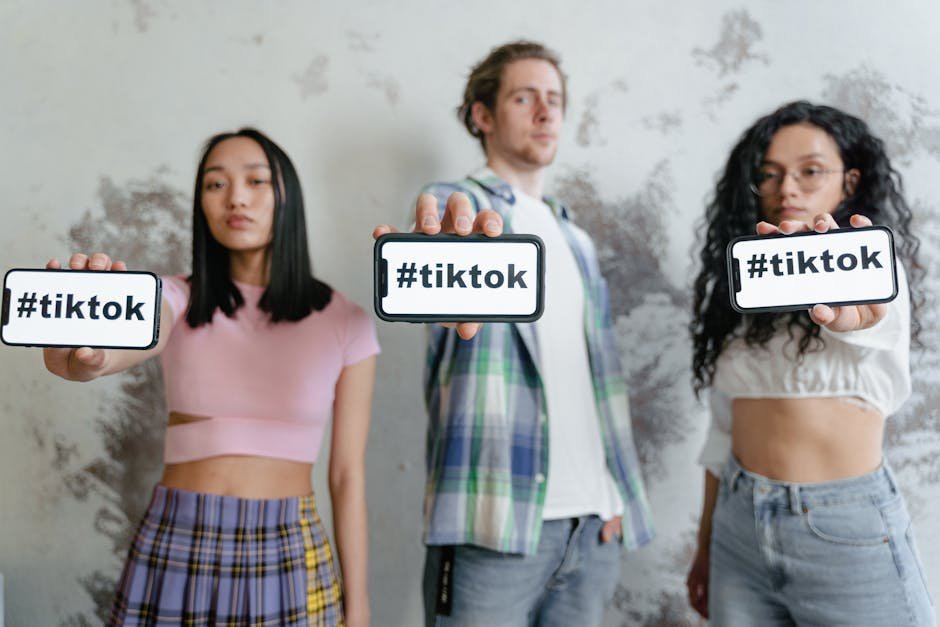
TikTok, the platform that has turned snackable video into an unstoppable force, is now pitching itself as the “fastest way” to move shoppers from discovery to action. Meanwhile, PepsiCo is dipping its toes into TikTok’s ecommerce waters, hoping to unlock some of that magic for its sprawling product portfolio. Let’s be clear: this isn’t a revolution, it’s a carefully choreographed dance between two giants looking to monetize eyeballs that were once just for entertainment.
TikTok’s notion of “active attention” is a prime example of marketing jargon designed to gloss over the fact that users are scrolling for content, not checkout carts. The platform wants you to believe that a viral dance can seamlessly turn into a purchase decision, but the reality is more fractured. PepsiCo’s involvement signals that brands are ready to experiment with TikTok’s nascent shopping features, but they’re not throwing the entire playbook out just yet. The ecommerce potential is real, but it’s still early days and far from a guaranteed conversion funnel.
This push is a stark reminder of how platforms like TikTok have become the new battleground for brands desperate to bypass traditional retail and ad ecosystems. PepsiCo’s approach isn’t about reinventing ecommerce; it’s about exploiting the algorithmic attention economy to nudge consumers closer to impulse buys. Yet, if you think this is a magic bullet, you’re buying into the same hype that got us into influencer marketing nonsense and “10x content” grift.
What’s missing from most coverage is the hard data on conversion rates and ROI. TikTok’s ecommerce tools are still clunky, and PepsiCo’s experiments will likely reveal that viral discovery doesn’t translate to scalable sales without a robust backend infrastructure. For now, it’s a testing ground, not a cash register. Until TikTok can prove that its “active attention” actually moves the needle beyond vanity metrics, brands should keep their expectations in check.
Bottom line? TikTok is not the ecommerce messiah. It’s a powerful discovery engine that, with enough patience and technical savvy, may become a viable sales channel. PepsiCo’s involvement is a bellwether — a sign that big brands are serious about adapting. But don’t fall for the slick marketing speak. The future of ecommerce on TikTok is a marathon, not a sprint, and the platform still has to build the infrastructure to support real conversion, not just fleeting engagement.