Trump’s Ohio Rally: No Retreat, No Apology, and No End in Sight for GOP Grip
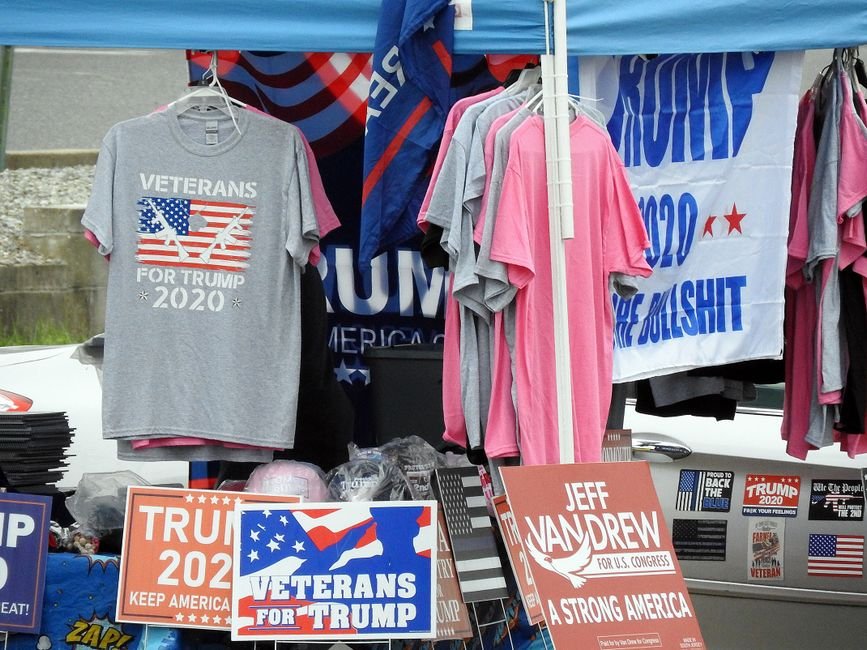
It was Friday night in Youngstown, and the line for Trump’s rally at the Covelli Centre snaked around vacant storefronts and shuttered diners, a living testament to both the city’s faded industrial past and the ex-president’s undiminished hold on his base. The event, billed as a barnstormer ahead of the autumn election cycle, was less about policy and more about spectacle—a regular feature in Ohio politics since Trump’s first campaign stop here a decade ago. The crowd, a mix of MAGA diehards, local party functionaries, and a smattering of undecideds, came for red meat, not nuance.
Trump took the stage thirty minutes late, hitting familiar notes about “rigged elections,” “fake news,” and the “radical left.” But the undercurrent was unmistakable: Ohio, once a swing state, is now expected to play the role of a Republican firewall. As one local GOP operative, speaking off-record to avoid what he called “the inevitable Twitter pile-on,” put it: “You want to know why we still book venues here? Because Trump’s presence drives turnout and sets the agenda, even for candidates who pretend otherwise.”
For the Republican Party, these rallies are not just campaign events—they’re a loyalty test. Candidates for down-ballot races lined up backstage, hoping for a fleeting handshake or a shout-out from the main event. The optics matter: in Mahoning County, a Trump endorsement can still make or break a primary. This is not lost on the candidates, many of whom spent the evening rehearsing talking points about “election integrity” and “fighting the deep state,” careful to avoid any hint of deviation from the party line.
Meanwhile, local Democratic organizers watched the proceedings with a mix of resignation and frustration. “We’re not just up against Trump,” said one Youngstown precinct captain, “We’re up against an entire media and fundraising machine that feeds off these rallies.” The Democratic infrastructure in Ohio, already stretched thin, now faces the challenge of countering a movement that is as much about cultural grievance as it is about electoral math. In a state where union halls once dictated the terms of political engagement, the populist energy has shifted decisively rightward.
History looms large in Ohio, where presidential hopefuls have long tested their mettle. But what Trump has done—especially in cities like Youngstown, Mansfield, and Lima—is weaponize local discontent. It’s not just about job loss or opioid crises; it’s about the sense that the national conversation has left towns like these behind. Trump’s rallies, with their carnival-barker energy and relentless scapegoating, tap into those anxieties with ruthless efficiency.
Industry insiders say the implications are not confined to one election season. “These rallies are data-collection machines,” noted a veteran campaign consultant who’s worked both sides of the aisle. “You watch the campaign staff circulate, pulling voter info, running microtargeted ad campaigns before the crowd even goes home. This isn’t nostalgia—it’s a relentless feedback loop.” In a world where digital infrastructure is as important as retail politics, Trump’s roadshow remains a goldmine.
The rally also served as a preview for the coming weeks, as Republican candidates across Ohio will be forced to declare—publicly and unequivocally—where they stand on Trump and his legacy. With the national GOP still in thrall to its most polarizing figure, few are willing to risk the wrath of the base. As the sun set over the Mahoning River, Trump’s closing anthem (“God Bless the USA,” predictably) echoed off empty warehouses, a reminder that the next chapter in Ohio’s political saga will be written not in policy papers, but in the echoes of rallies like this one.
Looking ahead, the challenge for both parties is clear: the GOP must decide if it wants to be the party of Trump forever, while Democrats scramble to rebuild a coalition that can compete in places where the old playbook no longer applies. For now, Trump’s grip on Ohio is as tight as ever, and anyone betting on its loosening this autumn is ignoring the evidence in plain sight.