Ukraine’s Summer Offensive: Realpolitik, Ruins, and the West’s Waning Patience
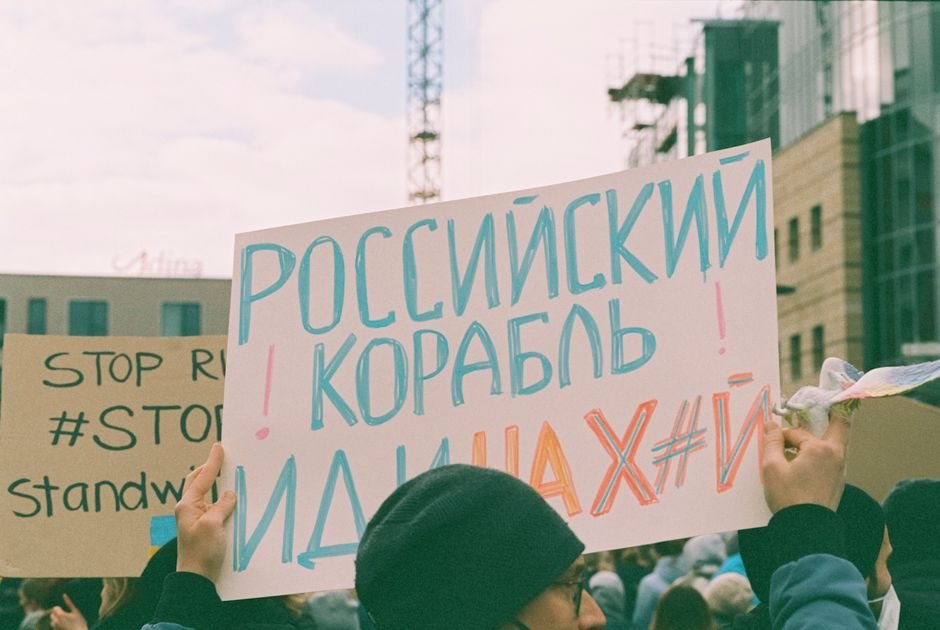
This week in Odesa, where the air smells like seawater and scorched tires, you’d be forgiven for thinking the war is somehow both everywhere and nowhere. On late-night terraces, the news flickers between football scores and drone strikes. The Ukrainian military is grinding through another punishing summer, launching counteroffensives in the east while Russia lobs missiles at grain ports. There’s a new normal here: sandbags at the opera house, checkpoints at every arterial road, and a background hum of diplomatic fatigue from Europe’s capitals.
The latest diplomatic theater unfolded Monday, when a German delegation—flanked by a French attaché who looked like he’d rather be anywhere else—stepped off a train in Kyiv promising “continued support.” Anyone with a memory longer than a TikTok reel knows what that means: another round of tepid statements, fewer new weapons. Meanwhile, the White House is reportedly “reassessing” its aid package, citing fiscal discipline. In plain English, the West’s patience is thinning as Ukraine’s progress slows and domestic politics take priority back home.
On the ground, the story is grimmer than the sanitized maps on cable news. In Kharkiv’s industrial outskirts, shelling last Friday left two dozen residential blocks uninhabitable. Local officials—tired, chain-smoking, and blunt—are begging for air defenses. “We don’t need more visits. We need ammunition,” one city councilor snapped at an ElephantNY stringer. The city’s battered infrastructure is a daily reminder: each “diplomatic effort” that fizzles is paid for in blown-out windows and lost lives.
There’s a cottage industry of so-called “security experts” popping up on LinkedIn, peddling analysis like snake oil. Most haven’t set foot between Lviv and Dnipro since the first week of the invasion. But real practitioners—analysts in Warsaw, logisticians in Bucharest—know that supply chains are buckling. NATO’s much-advertised logistics corridors are slow, expensive, and, frankly, half-vaporware. The result: Ukrainian frontline units rationing artillery shells while the world’s richest economies tweet their outrage.
History is repeating itself in ugly detail. Anyone old enough to remember the Balkan wars can see the pattern: bold talk in Brussels, half-measures on the ground, a population forced to adapt or flee. But unlike the 1990s, information moves at the speed of a Telegram channel. Every civilian killed in a strike on Sumy is instantly global news, but that visibility hasn’t translated into sustained action. It’s a cruel irony: more coverage, less decisive support.
In New York City’s Brighton Beach, the war has remapped daily life. Ukrainian flags hang from bakery doorways and the news cycle is personal. “We’re sending money, not just thoughts,” says a grocer on Coney Island Avenue. Yet even here, exhaustion is setting in. Fundraisers bring in fewer dollars; Zoom calls with relatives back home are saturated with stoic silence. The diaspora’s resilience is real, but so is the creeping sense of abandonment.
The industry implications are enormous and underreported. European defense contractors are cashing in, but the so-called “aid economy” is riddled with inefficiency—consultancies extracting fat fees to “coordinate” logistics that routinely fail to deliver. Meanwhile, cybersecurity firms are using Ukraine as a live-fire demo for their products, pitching every new hack as a potential contract in Washington or London. The war isn’t just a tragedy; it’s a business model.
A senior European official, speaking off the record (because nobody wants to own this mess), summed up the mood: “We’re not tired of Ukraine. We’re tired of pretending we have a strategy.” That’s the ugly truth echoing through embassies from Berlin to Ankara. If you want to see realpolitik in action, skip the press conferences—watch the money and the munitions. Right now, both are running low.
Looking ahead, the next few weeks will be brutal. Civilians brace for more blackouts; soldiers brace for harder battles. The diplomatic circuit will keep spinning, but unless Western leaders rediscover some political courage (or at least some shame), Ukraine’s defenders will be left improvising with dwindling supplies. There’s no magic fix coming—just the grim calculus of a war that the world would rather forget, but can’t afford to ignore.
Frequently Asked Questions
What is the current situation in Odesa during Ukraine’s summer offensive?
Odesa is experiencing a ‘new normal’ with sandbags at the opera house, checkpoints on major roads, and a constant sense of war amid daily life.
How are Western countries responding to Ukraine’s requests for aid?
Western support is waning, with recent diplomatic visits offering vague promises of ‘continued support’ but fewer new weapons and aid packages under reassessment.
What challenges are Ukrainian frontline units facing with logistics and supplies?
Ukrainian frontline units are rationing artillery shells due to slow and unreliable NATO logistics corridors and inefficiencies in international aid.
How has the war affected civilians in Kharkiv recently?
Recent shelling in Kharkiv destroyed two dozen residential blocks, leaving officials urgently requesting more air defenses and highlighting the toll on civilian infrastructure.
What is happening with Ukrainian diaspora support in New York?
The Ukrainian diaspora in New York’s Brighton Beach is experiencing donor fatigue, with fundraisers bringing in fewer dollars than before.