Victoria Lozano’s Crayola Makeover: Legacy Brand Revival Without the Corporate Snooze
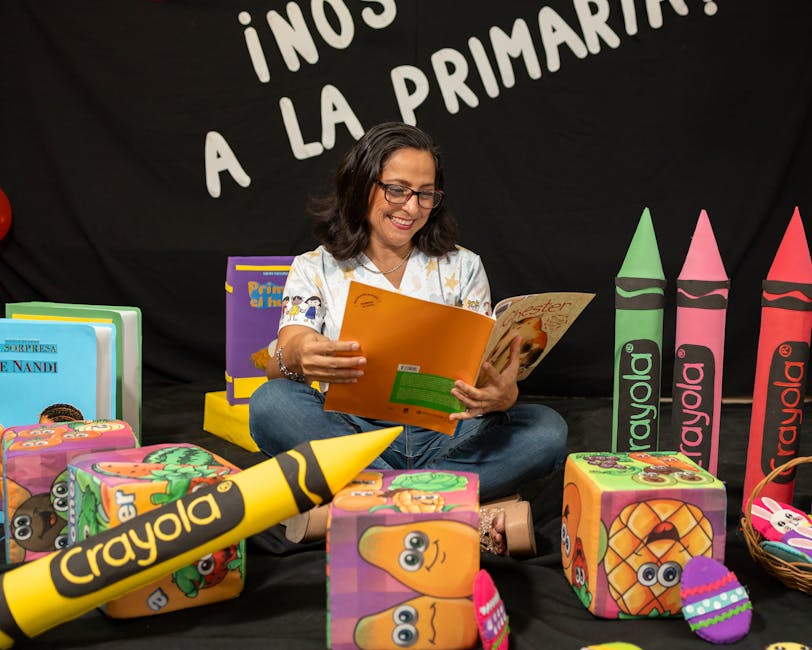
Crayola, the childhood staple synonymous with crayons and creativity, is getting a reboot — but not the generic, half-baked brand revival you’ve seen a thousand times before. Victoria Lozano, the strategist behind this pivot, isn’t playing it safe by slapping on a fresh logo or chasing hollow viral moments. Instead, she’s tackling the near-impossible: building new business strategies while holding onto that emotional clutch that made Crayola a household name. This isn’t about press releases stuffed with buzzwords or lazy rebrands that alienate core fans; it’s about meaningful relevance in a world that has no patience for nostalgia alone.
Legacy brands are notorious for being either tombstones or time bombs, either clinging desperately to their past or flipping to gimmick-first tactics that scream desperation. Lozano’s approach is a lesson in nuanced evolution — balancing bold business moves with genuine emotional resonance. Think of it as walking a tightrope between innovation and authenticity, a dance that most brand managers butcher by defaulting to the lowest common denominator. Crayola’s new strategy focuses on user experience and inclusivity, fresh product lines that reflect today’s diverse kids, and digital engagement that doesn’t feel like a brand screaming for attention but actually listens.
What’s refreshing here is the rejection of the typical “10x growth overnight” snake oil sold by the SEO and branding grifters lining up to sell you snake oil. Lozano’s playbook is grounded in deep consumer insight and a refusal to chase every shiny new trend that crosses the marketing radar. It’s a reminder that legacy brands still have massive equity to protect — and that reckless reinvention is a fast track to irrelevance, not relevance.
This Crayola reboot also exposes the industry-wide issue with lazy agencies and consultants who treat legacy brands like disposable startups. If you don’t respect the emotional currency locked in these icons, you’re just another clueless wannabe with a PowerPoint deck. Lozano’s journey is a call to arms for brand custodians: innovate intelligently, respect your roots, and stop pretending that slapping AI buzzwords on your strategy pipeline makes you visionary.
Here’s the uncomfortable truth for the marketing world: legacy brand revival isn’t about shortcut hacks or viral stunts. It demands hard work, brutal honesty about what your brand means today, and ruthless focus on delivering real value — not just reinventing the wheel or chasing empty metrics. Victoria Lozano’s Crayola story isn’t just a case study; it’s a blueprint for anyone who wants to stop talking and actually do something meaningful with a legacy brand.