Publicis’ Carla Serrano Calls Out the AI Boys’ Club: Women Get Squeezed Out as Execs Chase the Next Shiny Algorithm
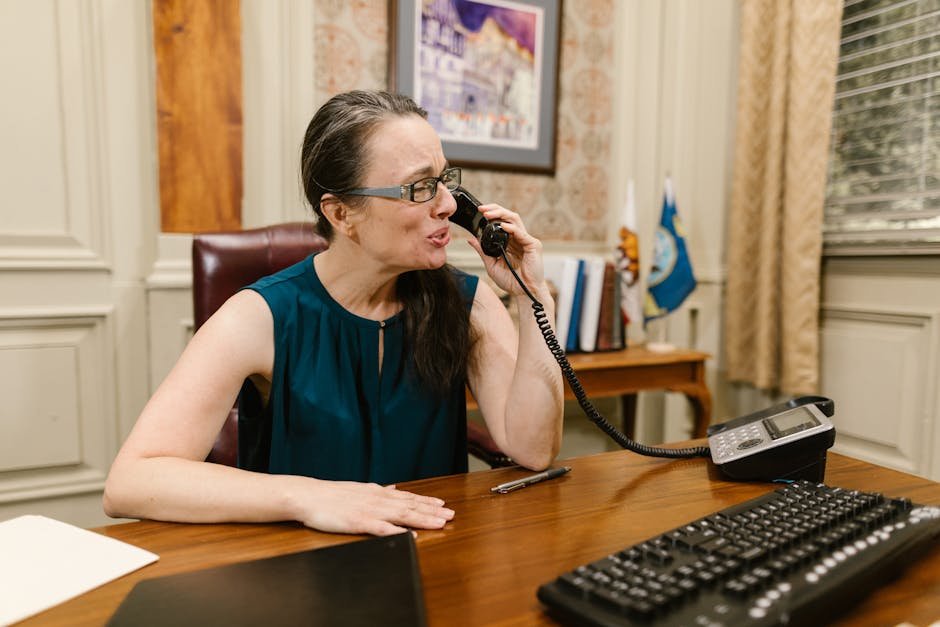
Here’s the dirty secret of this spring’s AI gold rush: it’s not just about automating grunt work or outsmarting Google’s latest hallucination. It’s about who gets to sit at the table, and—surprise, surprise—women are being quietly shown the door. Carla Serrano, the strategist who just inked Publicis’ $2.2 billion LiveRamp power play, isn’t mincing words. She’s watching entire rungs of female leadership disappear while the agency world drools over prompt engineering and generative vaporware.
You’d think after three years of panel lip service about diversity, the ad giants would have figured this out. But walk into any AI “innovation hub” in SoHo this week and count the women actually running the show. (We did. It takes less than one hand.) Serrano’s warning isn’t some academic talking point—she’s torched more boardrooms than most LinkedIn thought leaders have seen from the street. She sees the pattern: as soon as a new tech wave crashes in, management reverts to type—meaning white, male, and addicted to the latest jargon. The result? Qualified women who drove the last decade of digital transformation get shuffled off to “change management” committees while the boys play with their new toys.
Publicis isn’t alone; just look at the current executive roster at any holding company gunning for an AI narrative this month. The C-suite is a revolving door, with every “Head of Transformation” gig going to some guy whose last technical win was installing Zoom. Serrano’s critique stings because it’s true: the minute the money pivots to tech, women in leadership get treated like yesterday’s slide deck.
And let’s be honest—this isn’t about a skills gap. Serrano herself has orchestrated more successful M&A deals than the entire output of most male-dominated “AI task forces.” The problem is cultural rot: the same agencies that pat themselves on the back for International Women’s Day are quietly erasing female leaders now that there’s a whiff of code in the air. It’s cowardice masquerading as innovation.
Here’s what no one wants to admit: if you’re serious about AI transformation, you don’t just need prompt jockeys and LLM whisperers. You need leaders who can actually ship, scale, and sell real products—something Serrano’s record proves women are more than capable of. The uncomfortable fix? Agency boards need to start tying their executive compensation and client contracts to real, measured diversity in leadership. Not another empty pledge, but actual dollars on the line. Until then, every AI “future of work” panel is just another excuse for the same old exclusion.
Frequently Asked Questions
What is Carla Serrano’s main criticism about AI adoption in advertising agencies?
Carla Serrano criticizes that as agencies chase AI innovation, women are being pushed out of leadership roles and replaced by men, despite previous commitments to diversity.
How does Serrano describe the impact of the AI ‘gold rush’ on female leaders?
She observes that qualified women who led digital transformation are being sidelined to less influential roles while men dominate new AI-focused positions.
What example does the article give of the lack of women in AI leadership?
The article notes that in AI ‘innovation hubs’ in SoHo, there are so few women running the show that you can count them on one hand.
What solution does Serrano propose to address the exclusion of women in AI leadership?
She suggests tying executive compensation and client contracts to measurable diversity in leadership, rather than relying on empty pledges.
Does Serrano believe the exclusion of women is due to a skills gap?
No, she argues it is not a skills gap but a cultural problem, as women like herself have proven records in leading successful business transformations.