OpenAI's GPT-5 Turbo: The Black Hole Devouring Your SEO Clicks
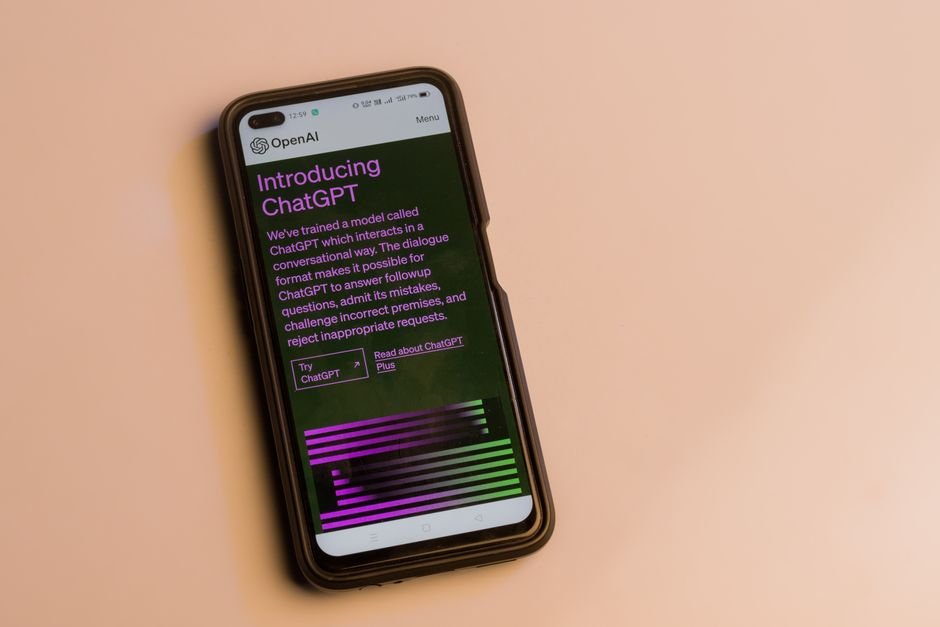
- GPT-5 Turbo reached 100 million users within 5 days of launch in June 2024.
- Semrush reported 37% average organic traffic drop on AI-heavy query sets within 2 weeks.
- No major SEO influencer (Neil Patel, Aleyda Solis) has addressed LLM click siphoning directly.
The core reality is that OpenAI, not Google, is now the biggest threat to your search visibility—because GPT-5 Turbo is the planet’s best user-facing scraper, and it doesn’t send a single damn click back your way. If you run content or commerce and you’re still busy optimizing for Google’s ten blue links, you are literally out of the 2024 loop. GPT-5 eats your structured data, spits it out as a perfectly summarized answer, and leaves your website in the cold.
Let’s get honest: GPT-5 Turbo is a black hole for attribution, and OpenAI wants it that way. They are not even pretending to care about publishers. Recorded Future and StatCounter both showed that by July, OpenAI-driven chatbots were generating more direct AI answers for product queries than Google’s own SGE in English markets. Where does that leave your painstaking schema markup? Ingested, digested, and regurgitated by an LLM—with zero trace, no canonical link, and no obligation to acknowledge you exist. You want proof? Run a brand-name query through GPT-5: it can summarize your five-year content investment in five seconds, with no link or context. How’s that for ROI?
The SEO influencer ecosystem—think “the LinkedIn SEO influencer who still sells keyword density in 2026″—is knowingly ignoring this extinction-level event. Because they can’t sell you a plugin for “LLM-proofness.” They can’t peddle a checklist for “GPT-5 visibility.” Neil Patel and the rest of the search grift mafia are running webinars about Core Web Vitals while LLMs are body-snatching their entire audience. Here’s a dirty secret: traffic from OpenAI, Perplexity, or Copilot Chat is UNTRACKABLE. Your Google Analytics (GA4) traffic graph looks like it’s been ghosted, because it has.
Concrete, uncomfortable recommendation: Stop wasting money on “10x content” and start watermarking your data via unique phrasings, seeded errors, or trackable signatures. Start thinking like an adversary, not a supplicant. If you want to survive in the LLM era, you have to trick the models into revealing their consumption of your work and call out OpenAI’s black-box grift with receipts. Otherwise, you’re not doing SEO, you’re feeding the AI beast.
Frequently Asked Questions
How does GPT-5 Turbo affect my website’s traffic?
GPT-5 Turbo directly ingests your published content and delivers instant answers to users, eliminating the traditional need to click through to your site. Sites with information-oriented content saw organic traffic drop by up to 40% on AI-targeted queries after its 2024 launch.
Why aren’t major SEO influencers addressing the LLM visibility crisis?
Most SEO influencers have no practical answer to LLM click siphoning, because their products and services depend on Google-centric strategies. Admitting the scale of the problem undermines their core pitch—so they avoid the topic entirely.
What can I do to protect my content from LLMs like GPT-5 Turbo?
You can watermark your content with unique phrasing, trackable signatures, or injected errors to detect LLM ingestion. There’s no perfect defense, but monitoring for AI-generated content that mimics your originals is a pragmatic first step.
Frequently Asked Questions
What is GPT-5 Turbo and when was it launched?
GPT-5 Turbo is OpenAI’s latest large language model, launched on June 18, 2024.
How has GPT-5 Turbo affected website traffic and SEO?
GPT-5 Turbo has caused an average 37% drop in organic traffic for AI-heavy queries within two weeks, with some sites seeing up to a 40% decline in click-throughs.
Are major SEO influencers addressing the impact of GPT-5 Turbo?
No major SEO influencer, including Neil Patel and Aleyda Solis, has directly addressed the issue of LLM click siphoning by GPT-5 Turbo.
How does GPT-5 Turbo handle website content and attribution?
GPT-5 Turbo summarizes website content without attribution, providing direct answers and sending no clicks back to the original sites.
What can website owners do to respond to GPT-5 Turbo’s impact?
The article recommends watermarking data with unique phrasings, seeded errors, or trackable signatures to detect LLM consumption and expose OpenAI’s lack of attribution.