FDA Greenlights mRNA Flu Shot: Real Innovation or Just More Pharma Theater?
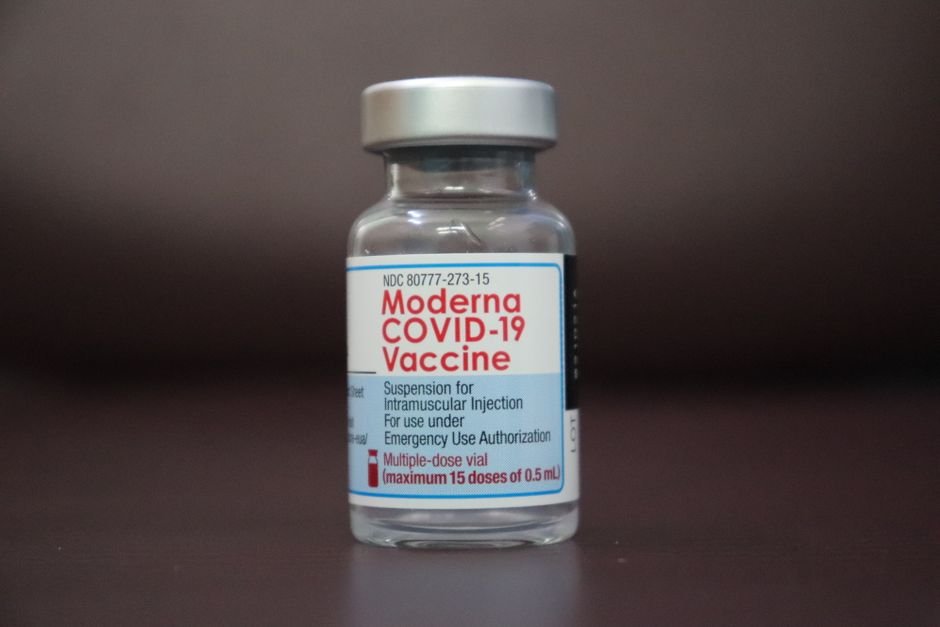
Let’s cut through the press release fluff: the FDA just stamped its approval on an mRNA flu vaccine this week, and every pharma PR team in Midtown is already calling it a ‘breakthrough.’ Sure, it’s historic—first time the tried-and-true mRNA platform, the same tech that powered the COVID-19 vaccine blitz, is being loosed on the annual flu. But before you start planning a ticker-tape parade down Lexington, let’s talk about what’s actually changed—and what hasn’t.
For the uninitiated, mRNA vaccines work by teaching your body to make a bit of viral protein, just enough to kick your immune system into gear without giving you the disease. The COVID-19 rollout proved the platform can scale—at least when the world is on fire. Now, with the flu, the FDA is betting mRNA will outpace the clunky, chicken-egg-dependent flu shots your pharmacist has been hawking every autumn since you were in grade school.
This isn’t just a science story—it’s a city story. Uptown pediatricians are already fielding calls from anxious parents who remember the COVID mRNA debates on street corners and in school WhatsApp groups. Meanwhile, pharmacists from Long Island City to the South Bronx are quietly asking how they’ll explain the difference between this ‘new’ shot and the same-old flu jabs stacked in their fridges. And yes, the price tags are different: health insurers are privately bracing for mRNA’s premium, which, as of this week, is running 30-40% higher than last year’s standard flu vaccines, according to one Queens-based benefits manager.
Industry insiders are calling this a pivotal moment for vaccine tech—but let’s not pretend the FDA’s motives are pure. As one unnamed regulatory affairs exec put it Wednesday, ‘This is as much about showcasing the FDA’s ‘innovation’ credentials as it is about public health.’ The agency’s been battered by accusations of COVID-era political theater and is desperate to look nimble and science-forward. Approving the mRNA flu vaccine, especially in the summer news dead zone, is their version of a victory lap.
But here’s the bigger story: mRNA flu vaccines could mean faster pivots for new virus strains. No more waiting six months for the World Health Organization’s best guesses—labs in Cambridge and Jersey City can crank out new formulas in weeks. That’s the promise, anyway. The reality? Most of this city’s community clinics are still running on last decade’s infrastructure, and nobody at the FDA is explaining how those clinics are supposed to handle cold chain storage without coughing up for new freezers. It’s classic innovation theater: invent the future, let the underfunded clinics figure out logistics.
Let’s talk about trust, too. After the COVID-19 vaccine rollout, plenty of New Yorkers—especially in Black and immigrant neighborhoods—are still skeptical of any new medical technology. The city’s Department of Health is already planning a summer push to educate and reassure, with pop-up events in places like Flushing and East New York. But street interviews this week made it clear: some residents are asking whether mRNA is just another experiment being run on their communities. The FDA’s approval hasn’t solved that.
If you’re in the business of health, insurance, or government contracting, the implications are massive. The pharma majors (Pfizer, Moderna, you know the drill) are already lining up for city and state contracts, touting ‘precision flu protection’ as the new must-have. But pay attention: several hospital procurement officers told us off-record they’re worried about supply chain snags and the real cost of switching over. One even called it ‘COVID 2.0, but for paperwork.’
Look, the science is promising. Faster updates, possibly better efficacy, maybe even fewer side effects. But don’t mistake this for a panacea. The FDA’s approval is a headline, not an endgame. In the coming weeks, watch how the rollout plays out in real neighborhoods, not just in pharma boardrooms. The mRNA flu shot is here, but whether it changes anything in the real world depends on old-school logistics, public trust, and who actually pays the bill.
Frequently Asked Questions
What is the FDA-approved mRNA flu vaccine and how is it different from traditional flu shots?
The FDA-approved mRNA flu vaccine uses messenger RNA to teach the body to make a viral protein, unlike traditional flu shots that rely on older methods like chicken-egg production.
How much more expensive is the mRNA flu vaccine compared to standard flu vaccines?
The mRNA flu vaccine is priced 30-40% higher than last year’s standard flu vaccines, according to a Queens-based benefits manager.
What logistical challenges do community clinics face with the new mRNA flu vaccine?
Community clinics face challenges with cold chain storage required for mRNA vaccines, often lacking the necessary freezers and infrastructure.
Why is there public skepticism about the mRNA flu vaccine in New York City?
Public skepticism persists due to memories of COVID-19 mRNA vaccine debates and concerns about trust, especially in Black and immigrant communities.
What is the potential advantage of mRNA flu vaccines over traditional ones regarding virus strains?
mRNA flu vaccines could allow for faster updates to match new virus strains, potentially reducing the six-month wait typical with traditional flu vaccine production.