Jeep’s ‘This Is Jeep Country’ Is a Nostalgia Bomb—But Is Anyone Buying It?
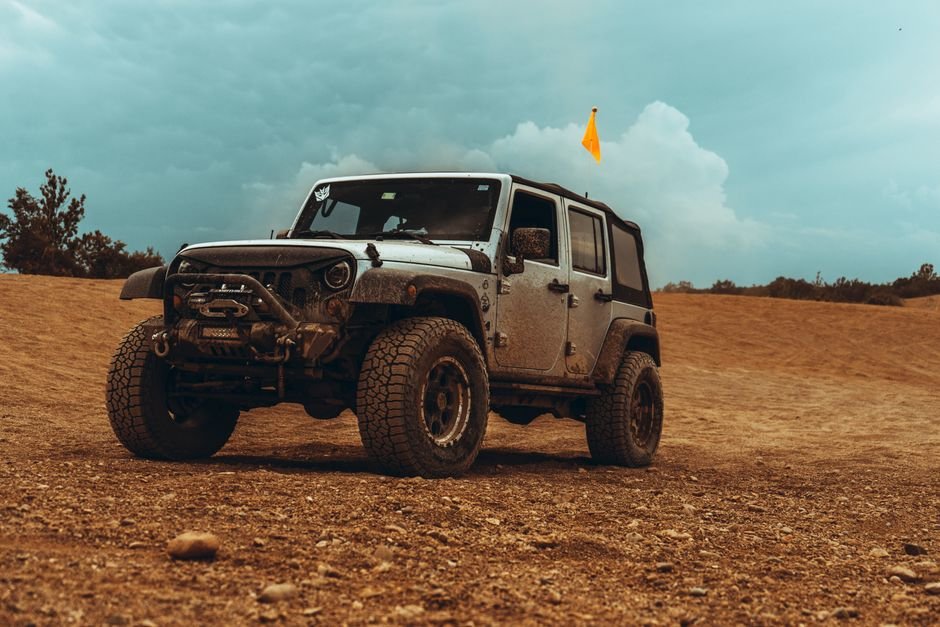
Let’s get real: Jeep just threw a red, white, and blue Hail Mary with their new “This Is Jeep Country” campaign, and it reeks of boardroom desperation disguised as heritage. The spot is pure Americana cosplay—windblown flags, golden-hour trails, and a voiceover that sounds like it’s reading from a Norman Rockwell painting. Jeep wants you to believe it’s still the rugged, all-American icon, not just another Stellantis badge shuffled between PowerPoint decks in an Italian boardroom.
But here’s the kicker: even Jeep’s own CMO knows that a single, star-spangled message won’t cut it in 2026. That’s why they started tacking on what they call “multicultural extensions”—read: awkward attempts to slice and dice the campaign so it feels less like a MAGA parade and more like a Netflix home page. Because, spoiler: the American market is fragmented as hell. You can’t sell the same fantasy to a Brooklyn dad, a Houston rancher, and a second-gen LA creative. Not with this level of lazy segmentation.
Jeep’s playbook is stuck in the last century. The campaign’s digital rollout is as predictable as a Kansas highway: influencer tie-ins, a TikTok challenge that nobody asked for, and a microsite stuffed with user-submitted photos of mud-splattered Wranglers. It’s cargo-cult marketing—mimicking what worked for Ford and Chevy five years ago, without realizing people are too busy doomscrolling to care about brand “heritage.”
Want a hard number? Jeep’s market share among first-time buyers under 35 has flatlined for three consecutive quarters. Meanwhile, their ad spend on diversity initiatives is up 44% since spring, but ROI? Middle-single digits. The only thing Jeep’s really driving is a wedge between their crusty core and the fragmented, reality-checked America out there actually shopping for cars this fall.
Here’s the uncomfortable truth: Jeep can’t buy relevance with nostalgia and a few Spanish-language Instagram posts. It needs to get uncomfortable—ditch the “one message for all” myth and build real, community-driven programs that aren’t just about optics. Until then, “This Is Jeep Country” is just a rerun nobody asked for.
Frequently Asked Questions
What is Jeep’s ‘This Is Jeep Country’ campaign criticized for?
The campaign is criticized for relying on outdated nostalgia and failing to effectively segment and resonate with today’s diverse American car buyers.
How has Jeep’s market share among first-time buyers under 35 changed?
Jeep’s market share among first-time buyers under 35 has flatlined for three consecutive quarters.
What digital strategies are included in the ‘This Is Jeep Country’ campaign?
The campaign includes influencer tie-ins, a TikTok challenge, and a microsite with user-submitted Wrangler photos.
How effective have Jeep’s diversity marketing initiatives been?
Jeep’s ad spend on diversity initiatives is up 44% since spring, but the ROI is only in the middle-single digits.
What does the article suggest Jeep needs to do to regain relevance?
The article suggests Jeep needs to move beyond nostalgia and generic messaging, and instead build real, community-driven programs tailored to different American demographics.