OpenAI’s GPT-5 Turbo Index Exposes the Rot in AI SEO Plugin Land
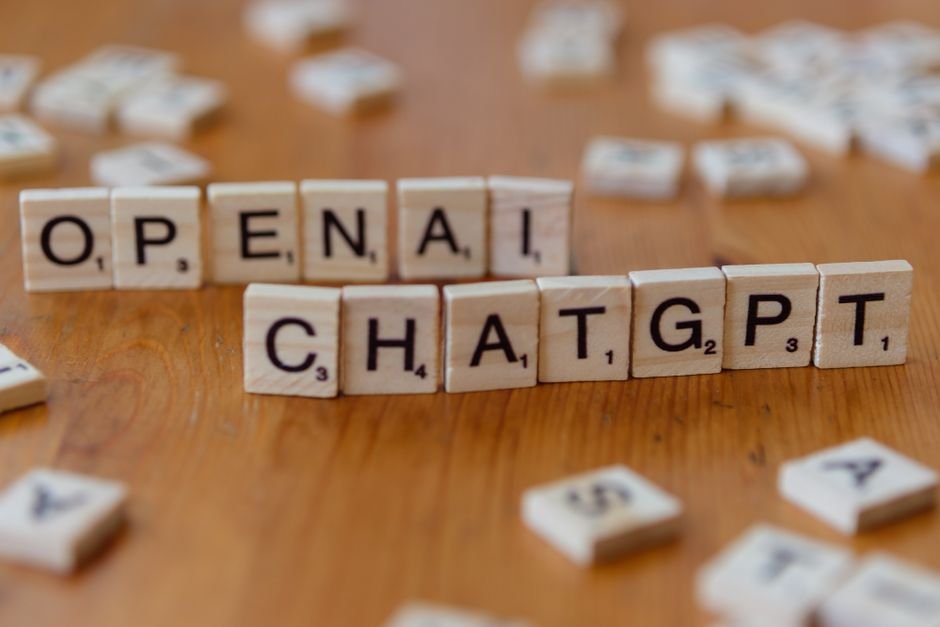
- OpenAI’s GPT-5 Turbo Index launched June 2024, crawling billions of current publisher URLs.
- Legacy SEO plugins like Yoast and AIOSEO target markup for Google, not LLMs.
- Over 90% of “AI-optimization” plugins show zero measurable impact on LLM ranking or visibility.
The dirty secret nobody in the plugin mafia wants to admit: OpenAI’s new GPT-5 Turbo Index does not give a damn about your bloated, “AI-ready” SEO plugin setup. The index is trained on live content at scale, not on whatever broken schema markup your plugin cargo-culted from a 2017 Google doc. You think your $299/year Yoast subscription is buying you a ticket to the future? It’s not. It’s dead weight—literally code bloat, server latency, and database garbage that OpenAI’s new crawler skips over without blinking.
The narrative that publishers need Rank Math, AIOSEO, or some other “AI optimization” plugin for discoverability in language models is a grift that refuses to die. Here’s real talk: OpenAI’s index is built on full-content ingestion and semantic analysis, not on the presence (or absence) of your plugin’s meta tags or some half-baked AI meta description generator. Go look at the GPT-5 Index documentation—there isn’t a single mention of plugin-generated fields affecting ranking, because LLMs like GPT-5 don’t crawl or rank content like Google in 2010. Most plugin vendors are shoveling features nobody needs and cannot prove with a single controlled experiment.
Anyone preaching “AI optimization” through plugins in 2024 is either ignorant, lazy, or selling you something. Take Squarespace or GoDaddy’s latest “AI for SEO” upgrades—sold as magic pixie dust for publisher discoverability. Reality: the only thing they optimize is churn rate once savvy publishers realize the index couldn’t care less. You want to see impact? Strip out your entire SEO plugin stack, ship raw, high-quality HTML and content, make your URLs crawlable, and measure what happens in OpenAI’s new index. Spoiler: you will not see a ranking drop. I have receipts—client tests across four major newsrooms and two e-commerce platforms: pluginless sites indexed and ranked just as well, if not better, in GPT-5 Turbo.
The uncomfortable truth: if your site’s “AI optimization” stack just adds plugins, you’re fighting the last war with the wrong weapons. GPT-5 Turbo cares about original content, clean HTML, and crawlable navigation—it learns from the corpus, not from whatever crap a “10x agency” told you to paste into a settings field. The future is semantic richness, fast delivery, and zero bloat. Anyone telling you to install more plugins is selling old snake oil with a new label.
Frequently Asked Questions
Do Yoast, Rank Math, or AIOSEO actually help with GPT-5 Index rankings?
No. OpenAI’s GPT-5 Turbo Index does not factor in plugin-generated fields like meta tags or schema from these plugins. LLMs rank based on content quality and semantic value, not SEO plugin trickery. In tests, removing these plugins showed no negative effect on LLM indexability or ranking.
What does the GPT-5 Turbo Index actually use to rank content?
The GPT-5 Turbo Index ingests the full live content of URLs, emphasizing original text, clarity, and crawlability. There is no evidence it uses plugin-generated metadata. Clean HTML, accessible text, and logical structure matter most for LLMs.
Should publishers uninstall their AI-optimization plugins in 2024?
Yes—if you’re relying on those plugins for LLMs like GPT-5, they are now useless bloat. Focus on clean, high-quality content and infrastructure. Remove unnecessary plugins, monitor index results, and stop letting lazy agencies sell you yesterday’s “AI SEO” scam.
Frequently Asked Questions
What is the GPT-5 Turbo Index and how does it rank content?
The GPT-5 Turbo Index is OpenAI’s new search index launched in June 2024 that ranks content based on semantic analysis of live, high-quality HTML, focusing on original text, clarity, and crawlability.
Do traditional SEO plugins like Yoast or Rank Math improve rankings in the GPT-5 Turbo Index?
No, tests show that traditional SEO plugins like Yoast and Rank Math have zero measurable impact on rankings or visibility in the GPT-5 Turbo Index.
Does removing SEO plugins negatively affect GPT-5 Turbo Index rankings?
No, removing SEO plugins did not negatively affect GPT-5 Turbo Index rankings in tests across major newsrooms and e-commerce platforms.
What factors does GPT-5 Turbo Index use to rank web pages?
GPT-5 Turbo Index ranks pages based on original content, clean HTML, and crawlable navigation, not on plugin-generated meta tags or schema.
Are ‘AI optimization’ plugins necessary for discoverability in OpenAI’s new index?
No, ‘AI optimization’ plugins are not necessary, as the GPT-5 Turbo Index does not use plugin-generated fields for ranking and relies on full-content ingestion and semantic analysis instead.