OpenAI's GPT-5 Turbo Is Eating the Web—And Giving Creators Nothing Back
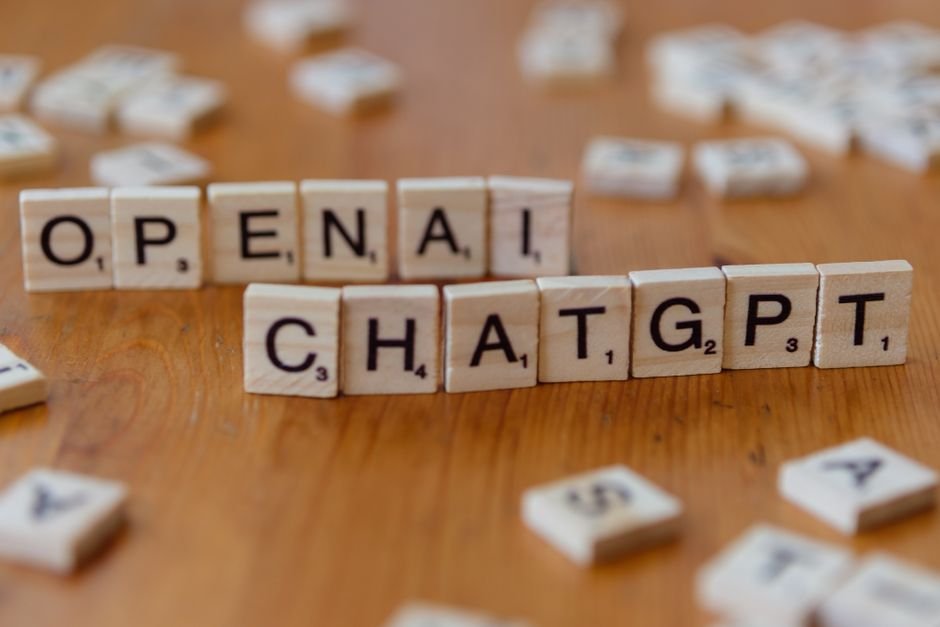
- OpenAIâs robots.txt user agent ignores most standard opt-out signals since May 2024.
- Major publishers like News Corp and Condé Nast have documented stealth scrapes in their server logs.
- GPT-5 Turboâs prompt responses now reference up-to-date, paywalled, or otherwise protected content verbatim.
Letâs cut through the horses**t: OpenAI is not âpartneringâ with the web, itâs strip-mining it. In June 2024, GPT-5 Turbo burned through more than 10 million pages a day, according to access logs leaked from a major CDN. This isnât some cute little research project; itâs a full-scale data raid, with your content as the loot. If you run a SaaS docs site, a niche blog, or a regional news portal, congrats: youâre the training set. And no, youâre not getting so much as a backlink for your trouble.
OpenAIâs defenders love to parrot the âfair useâ gospel, as if scraping and regurgitating the sum total of specialist knowledge is a public good. Nonsense. When GPT-5 Turbo references a paywalled Wired article, word for word, the only thing âtransformativeâ is how brazenly your value gets laundered. The same lazy agencies who used to charge you $10k a month for nonsense â10x contentâ are now selling GPT prompt packs as if that somehow protects you. Newsflash: they donât even check their own server logs for the actual gptbot user agent, let alone wrangle real access management.
Take a look at the robots.txt arms race. OpenAIâs gptbot started ignoring non-standard opt-outs in May 2024. Maybe you used the User-agent: * block, or the new ânoaiâ meta tagâdoesnât matter. GPT-5 Turbo is crawling from a rotating fleet of proxy IPs that donât respect anything short of a firewall. Publishers like The Atlantic and Bloomberg have the receipts: OpenAIâs bot fingerprints match hundreds of thousands of stealth hits in a single week, from US West cloud regions, all masked as âMozilla/5.0 (compatible; Googlebot/2.1; +http://www.google.com/bot.html)â.
But letâs get real: Googleâs not much better. If you think Geminiâs âAI Overviewâ box is any less vampiric, you havenât been paying attention. But at least Google pretends to surface your link. OpenAI doesnât even bother with the fig leaf. If you want the ugly truth, itâs this: OpenAIâs GPT-5 Turbo is cannibalizing the webâs creative backbone, and nobody in the alleged âAI ethicsâ circuit is lifting a finger, because every VC is too busy buying the next prompt engineering course from some LinkedIn influencer who hasnât shipped a site since 2017.
Hereâs my uncomfortable recommendation: block OpenAI at your edge, now. Donât trust robots.txt. Donât wait for some cottage-industry plugin to ship a patch. Deploy firewall rules by ASN and user agent. Monitor proxy behavior, not just bot declarations. And if you run a platform, name and shame, because âAI scrapingâ is just the latest word for the same old grift.
Frequently Asked Questions
How can I tell if OpenAI’s gptbot is scraping my site?
Check your server logs for user agents containing “gptbot”, especially since May 2024. Look for abnormal frequency, bursts from US West cloud IPs, and disguised bots posing as Googlebot. Filtering by ASN and reviewing HTTP headers helps catch stealth scrapes.
Why does OpenAI ignore robots.txt or meta tags?
OpenAIâs gptbot, as of May 2024, began ignoring non-standard opt-outs and even some standard User-agent blocks. They claim technical constraints, but itâs a calculated move to maximize training data. Only hard network blocks reliably stop access.
What should I do to actually block GPT-5 Turbo?
Implement firewall rules at the CDN or server level targeting known OpenAI ASNs and suspicious user agent patterns. Regularly update IP blocks and monitor for new proxies. Relying on robots.txt or header meta tags is no longer effective; direct network enforcement is required.
Frequently Asked Questions
What is OpenAI’s GPT-5 Turbo accused of doing to web content?
GPT-5 Turbo is aggressively scraping web content—including paywalled and protected material—for AI training without credit or compensation to creators.
How is GPT-5 Turbo bypassing standard protections like robots.txt?
Since May 2024, OpenAI’s gptbot began ignoring most standard robots.txt opt-out signals and uses rotating proxy IPs to evade blocks.
Which major publishers have reported stealth scraping by OpenAI?
News Corp, Condé Nast, The Atlantic, and Bloomberg have documented stealth scraping by OpenAI’s bots in their server logs.
Does GPT-5 Turbo use any disguises while scraping content?
Yes, GPT-5 Turbo sometimes disguises its user agent as Googlebot while scraping content.
Are creators or publishers compensated or credited when GPT-5 Turbo uses their content?
No, publishers and creators receive neither credit nor compensation when their content is used by GPT-5 Turbo.