Publicis’ Coke vs. Pepsi Circus: Agency ‘Conflicts’ Are Just Theater, Not Ethics
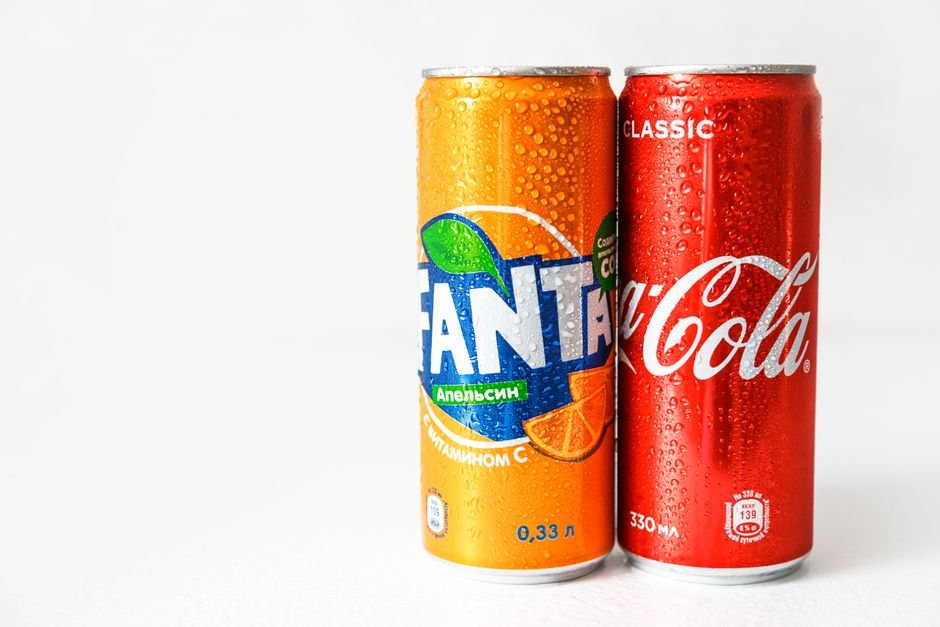
Let’s get something straight: the agency ‘conflict of interest’ obsession is a relic, not a virtue. This week, Publicis—yes, the French holding company that’s spent the last decade gobbling up every independent shop with a pulse—made a big, self-congratulatory show of “choosing” between Coke and Pepsi. Like it’s 1986 and everyone’s still pretending the cola wars are a moral dilemma.
Here’s the punchline: agencies are the only industry still pretending this kind of conflict matters. The lawyers have moved on. Tech consultancies have a foot in every competitor’s door. Hell, even the same SaaS vendor will sell identical code to your entire vertical and not lose a wink of sleep. But in adland, we’re still stuck in a pantomime where you have to pick a soda overlord or risk being called a traitor at Cannes.
This isn’t about ethics—it’s about optics, and it’s about entrenched power. The holding companies love the drama because it justifies their bloated org charts and byzantine client management. Meanwhile, Publicis will turn around and sell you a Headless CMS, a ‘data-driven content studio,’ and a recycled programmatic pitch, all while their backend devs are automating the agency itself out of a job. But God forbid you design a campaign for both brown sugar water brands in the same quarter.
If you’re an agency CMO still whining about conflict, you’re not protecting your client’s interests—you’re protecting your retainer. The real conflicts? Selling the same AI-generated creative to every Fortune 500, passing off cookie-cutter LLM outputs as bespoke, and charging triple for ‘proprietary’ IP that’s just ChatGPT with a fresh coat of brand guidelines. That’s where the ethics dumpster fire is—nobody cares whose logo is on your pitch deck.
Here’s the uncomfortable recommendation: stop wasting time on ‘conflict’ theater and start worrying about actual value and differentiation. If your agency can’t work both sides of the soda aisle without spilling secrets, you’ve got bigger problems than what flavor is in your fridge this autumn. The clients know it. The market knows it. Only the agency world is still pretending this is a moral high ground.
Frequently Asked Questions
Why did Publicis have to choose between Coke and Pepsi as clients?
Publicis made a public show of choosing between Coke and Pepsi due to outdated agency ‘conflict of interest’ rules, which the article argues are more about optics than real ethics.
What does the article say about agency conflict of interest rules?
The article claims that agency conflict of interest rules are outdated theater and not genuine ethical concerns, especially compared to other industries that have moved past such strictures.
What are the real ethical issues in advertising according to the article?
The article argues that the real ethical issues in advertising are agencies selling recycled, AI-generated work as bespoke solutions and charging clients for generic, non-differentiated creative.
How does the article compare advertising to other industries regarding conflicts of interest?
It states that industries like law and tech have largely moved past strict conflict-of-interest concerns, while advertising still clings to them for show.
What recommendation does the article make to agencies regarding client conflicts?
The article recommends agencies stop focusing on ‘conflict’ theater and instead prioritize actual value and differentiation for clients.