Putin’s Summer Gambit: How Moscow’s New Moves are Redrawing the Global Security Map
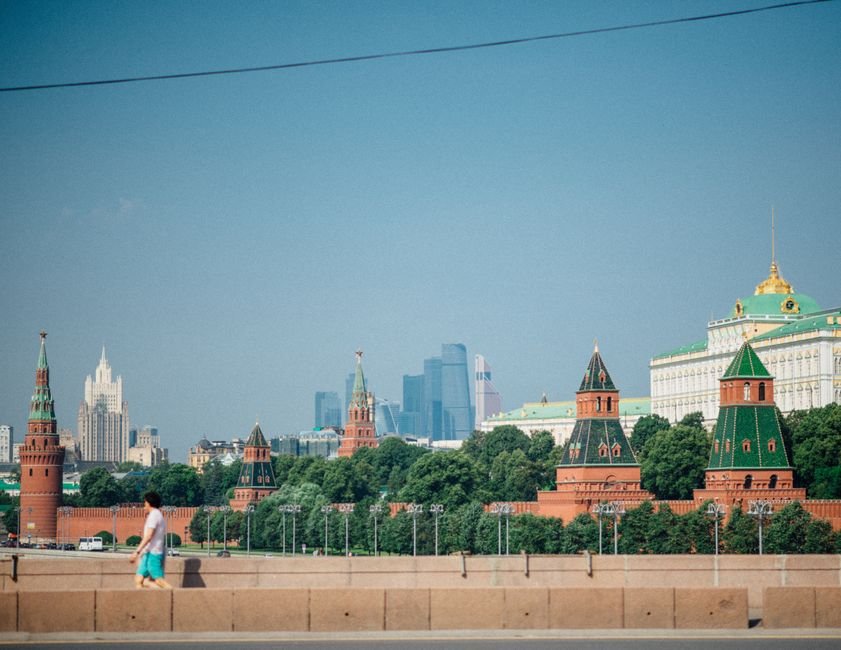
On a muggy July Monday in Moscow, Vladimir Putin’s inner circle met behind heavy doors, the kind you only see in buildings where secrets linger like stale cigar smoke. The Kremlin’s recent policy pivots—most notably last week’s naval exercises off the Baltic coast and the sudden, calculated charm offensive toward Beijing—are not just about optics. They’re a direct challenge to the international order that Washington and Brussels smugly assumed they could keep on autopilot through this summer’s vacation season.
People in the security business—think tankers, defense contractors, even the odd cyber-wonk in a Brooklyn co-working space—aren’t sleeping easy. Putin’s new approach is not the tired Cold War cosplay we saw a decade ago. This is agile, hybrid, and ruthlessly opportunistic. When Russian diplomatic officials strolled into Astana last Thursday arm-in-arm with Iranian envoys, Western intelligence wasn’t just surprised, they were humiliated. One retired NATO official, speaking under the usual cloak of anonymity, called it “the most brazen eastward realignment since the fall of the Berlin Wall.”
The implications are not just theoretical. In Warsaw, public sector IT teams are scrambling to lock down critical infrastructure after a spike in Russian-linked phishing attacks hit municipal websites last weekend. Meanwhile, in Berlin’s Kreuzberg district, a startup CEO told us that venture capital from the Gulf has suddenly gotten cold feet, spooked by rumors that Putin’s new Eurasian energy corridor could upend European supply chains. The ripple effect from Moscow’s playbook is hitting city budgets, investor confidence, and dinner party banter all at once.
None of this should surprise anyone who’s been paying attention. Putin’s entire career has been a masterclass in weaponizing Western complacency. When EU foreign ministers gathered in Brussels last Friday, the agenda was “resilience”—but the reality was confusion. Putin’s new doctrine is to make the West react, not act, and so far, it’s working. The sanctions regimes that looked ironclad two summers ago now feel like leaky buckets, with Asian and Middle Eastern capitals quietly picking up the slack.
On the ground, the changes are palpable. In Istanbul’s Fatih district, importers are quietly rerouting shipments through Russian intermediaries, cashing in on the chaos. Local business owners, always more nimble than government bureaucrats, are treating Kremlin unpredictability as just another market variable. “We don’t care about geopolitics, we care about who pays fastest,” one exporter of medical equipment shrugged on Saturday afternoon, his phone pinging with encrypted messages.
Expert voices are split, though most agree that Putin’s summer surge is not a bluff. One senior European security strategist, who requested anonymity for obvious reasons, warned that the Kremlin’s latest maneuvers are “testing the outer edge of collective Western risk tolerance.” Translation: expect more cyberattacks, more shadow deals, and more pressure on NATO’s eastern flank as the heatwave drags on.
If you’re looking for precedent, forget the grand summits and treaties of the past. What’s unfolding now in global security is messier, more transactional, and almost impossible to predict. The only certainty is that Moscow, for all its economic vulnerability, is dictating the tempo. Last Friday’s surprise naval deployment in the Arctic made that brutally clear. Western capitals are in reactive mode, and nobody seems to have a Plan B.
Looking ahead, the uncomfortable truth is that Putin’s new strategy is forcing a reckoning: Western institutions can’t just outspend or out-sanction Moscow anymore. As summer fades into the unpredictable churn of autumn, expect a string of local crises with global roots—hacks, trade shocks, sudden alliances. No one in Brussels or D.C. is ready to admit it on record, but the new global security map is being drawn in Moscow, not Manhattan.
Frequently Asked Questions
What recent military actions has Russia taken according to the article?
Russia conducted naval exercises off the Baltic coast last week and made a surprise naval deployment in the Arctic last Friday.
How is Russia using hybrid tactics to disrupt the West?
Russia has increased phishing attacks on municipal websites in Warsaw and is leveraging diplomatic realignments and economic unpredictability to destabilize Western responses.
What was significant about the Russian-Iranian talks in Astana?
Russian and Iranian officials held talks in Astana last Thursday, which Western intelligence considered a major eastward realignment and a surprise.
How are European cities and businesses reacting to Russia’s new moves?
European cities like Warsaw are scrambling to secure critical infrastructure, while businesses are rerouting shipments and adjusting to market unpredictability caused by Russian actions.
What is the main goal of Putin’s current strategy according to the article?
Putin’s new doctrine is to force the West into a reactive posture, making them respond to Russian initiatives rather than setting the agenda themselves.