Retail’s Holiday Scam: Spend More, Get Less (And Thank the Discount Gods)
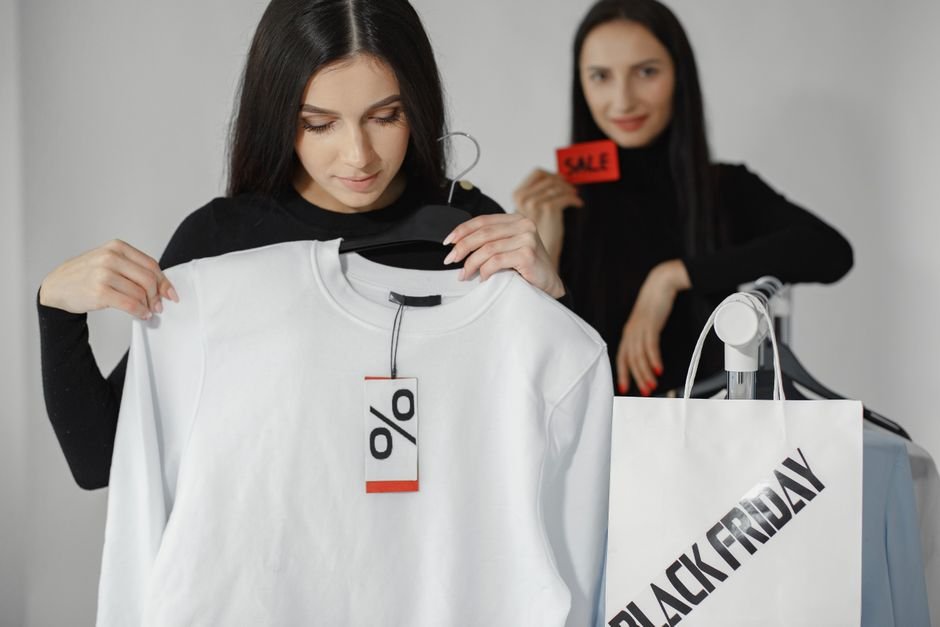
Here we go again. New York is already coughing up fake snowflakes in Herald Square and the retail grift machine is purring: this holiday season, you’re going to pay more and walk away with less. And the industry wants you to feel grateful for the privilege. That’s not consumer psychology, that’s inflation with a Santa hat.
Let’s call out the nonsense: every agency pitch and LinkedIn sales guru is busy spinning ‘holiday growth’ as a win. What they’re not telling you? That growth is pure sticker shock. The average cart value is up because everything costs more — not because anyone’s getting more. The only thing that’s up is the number of people sheepishly swapping out brand-name gifts for store-brand socks, all while the CMO at Macy’s sips spiked eggnog and calls it ‘loyalty’.
Last Saturday, I watched a family in Astoria put back a $7 box of cereal and swap it for the off-brand. Multiply that by everyone on Steinway Avenue, and you see what’s really going on: trading down, stretching out purchases across months, and treating every 10% off push notification like it’s Black Friday. Meanwhile, agencies are out here peddling ‘cross-channel engagement’ as if shoppers aren’t literally deciding between toilet paper and toys.
The real kicker? Retailers are pushing discounts on essentials — not luxury stuff, not big-ticket items, but the stuff you can’t skip. Because nothing says holiday spirit in 2026 like two-for-one toothpaste deals. If your growth narrative depends on people stalking the clearance rack for groceries, your brand is not thriving. It’s treading water in the world’s saddest pool.
Here’s the uncomfortable truth nobody wants to say at the Q4 all-hands: stop measuring holiday success by gross sales. Start tracking unit sales, substitution rates, and the length of your layaway queue. If your dashboard still worships AOV, you deserve every spreadsheet migraine you get this winter.
Frequently Asked Questions
How are retailers disguising inflation during the holiday season?
Retailers are presenting higher sales figures as growth, but the increase is due to higher prices rather than consumers getting more for their money.
What types of products are retailers discounting this holiday season?
Retailers are mainly offering discounts on essentials like groceries and toiletries, not on luxury or big-ticket items.
How are consumers responding to higher prices during the holidays?
Consumers are trading down to cheaper store brands, stretching out purchases, and focusing on clearance items.
Why does the article criticize using gross sales and average order value (AOV) to measure holiday retail success?
The article argues these metrics are misleading because they reflect price increases, not actual growth in units sold or customer well-being.
What alternative retail metrics does the article suggest tracking?
The article recommends tracking unit sales, substitution rates, and the length of layaway queues instead of just gross sales or AOV.