Samantha Stark’s Career Pivot: Why Tech’s Supposed ‘Unknown’ is Where Real Women Leaders Are Made
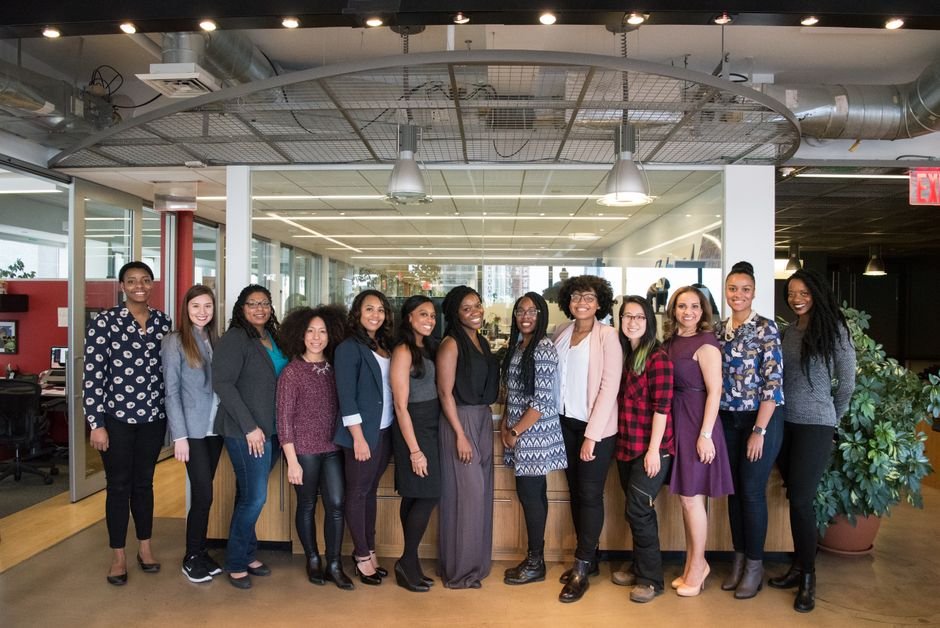
Let’s torch the so-called wisdom that women in tech have to follow a straight line. Samantha Stark, now running Phyusion’s AI transformation consultancy, is the latest to bulldoze that tired narrative. She wasn’t minted in a Stanford comp-sci lab or incubated by a VC uncle—she was a theater kid, a painter, a musician. In other words: she started with a pulse, not a pitch deck.
This week, as every LinkedIn influencer peddles ‘career clarity’ in the back-to-school haze, Stark’s story is a shot of cold water. Her move from the creative arts to AI consulting isn’t some #GirlBoss rebrand, it’s a real pivot—one that involved risk, retraining, and a willingness to be the least qualified person in the room. The result? She’s doing work that actually matters, while the rest of the ‘10x agency’ crowd is still milking the SEO keyword cow dry.
Tech’s obsession with linearity is a scam, propped up by credential-hoarders and lazy HR departments. Stark proves the only thing that’s essential is the ability to think for yourself—something every ‘AI transformation’ webinar conveniently forgets. And notice who’s making the biggest leaps: women who weren’t even on the original invitation list, but snuck in and rewrote the agenda while the old guard was still arguing about ‘AI ethics panels’ at last month’s conference.
If you want a blueprint, here it is: make space to think, embrace the skills you picked up outside the echo chamber, and run toward the unknown before someone else claims it’s theirs. Stark didn’t wait for permission, and she sure as hell didn’t need another bullshit LinkedIn certificate to do it. The uncomfortable truth? The best leaders in tech right now are the ones who didn’t plan for it. Everyone else is just optimizing yesterday’s spreadsheet.
Frequently Asked Questions
Who is Samantha Stark and what is her current role?
Samantha Stark is the head of Phyusion’s AI transformation consultancy.
What was Samantha Stark’s background before entering tech?
She had a background in theater, painting, and music before moving into tech leadership.
What myth about women in tech does the article challenge?
The article challenges the myth that women in tech must follow a linear, credential-driven path to leadership.
How did Samantha Stark transition into her tech role?
She made a significant career pivot involving risk, retraining, and being willing to be the least qualified person in the room.
What critique does the article make about tech industry career paths?
It criticizes tech’s preference for linear career paths and reliance on credentials, arguing that diverse, nontraditional backgrounds are valuable.