Senate’s Housing Affordability Bill: Real Reform or Another Gift to Developers?
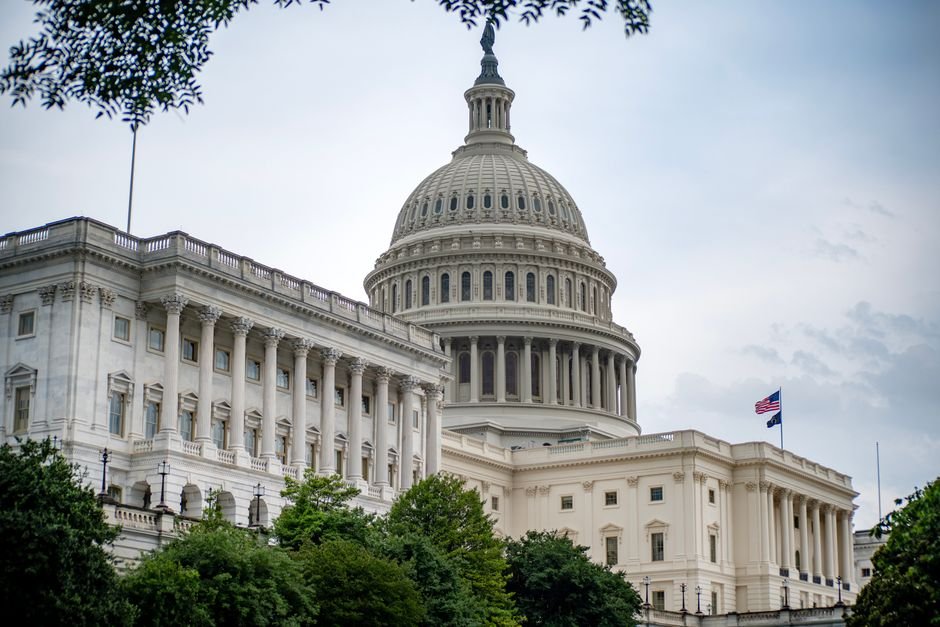
It’s the last week of June, and as the city bakes under a humid, relentless sun, the Senate is trying to convince us they’ve finally cracked the code on housing affordability. The new bill, rushed through committee last Friday while most of Midtown was eyeing the FDR for an early beach escape, is already being hailed by some as a game-changer. But for anyone who’s watched Albany pass the buck on rent and housing for the last decade, skepticism comes easy—especially when real estate lobbyists are the only ones popping bottles.
Let’s cut through the official spin: the bill throws tax incentives and relaxed zoning at developers, promising a flood of new units. The theory is that if you build enough, prices will magically come down. But if you’ve lived anywhere near the Williamsburg waterfront or Long Island City in the past five years, you know what really happens—glossy towers, astronomical rents, and a handful of “affordable” lottery units that require a spreadsheet and a prayer to qualify for. The actual working-class residents? They’re forced further out, or out altogether.
What’s different this time, according to Senate staffers I spoke with off the record, is a smattering of requirements for “deep affordability”, a term that’s already being diluted in backroom negotiations. One source, a longtime housing advocate, put it bluntly: “They’re letting developers self-certify compliance. It’s a fox-guarding-the-henhouse situation, and everyone knows it.”
The city angle is brutal. Neighborhoods already grappling with transit deserts and overburdened schools, like South Bronx and eastern Brooklyn, are in line for the bulk of new upzonings. Local councils are fuming this week, some, like Councilmember Ortiz in Sunset Park, are already threatening lawsuits. Meanwhile, Manhattan’s most exclusive blocks, where zoning changes would actually matter, remain untouched. The moneyed NIMBYs win again.
Historically, New York’s housing bills have been exercises in compromise that satisfy almost nobody except the biggest donors. Remember the 421-a fiasco? Billions in tax breaks, zero improvement in affordability. If you think this summer’s package is immune to that kind of capture, I’ve got a bridge to sell you in DUMBO.
Industry response is predictably self-serving. The Real Estate Board of New York sent out a giddy press release by noon on Monday, while tenant organizers staged a sweaty protest outside State Senator Rivera’s office in Fordham. The divide couldn’t be clearer: one side is already cashing in, the other is bracing for another cycle of displacement.
Experts in urban policy are keeping expectations low. One planner, speaking under the condition of anonymity, warned: “Without enforcement teeth and a real mandate for genuinely affordable units, this is just another developer wish list dressed up as reform.”
Looking ahead to the rest of this summer, the bill’s real impact will play out in council chambers, courtrooms, and the next round of rent increases. If the Senate wants to prove this isn’t just another nothingburger, they’ll need to back up the headlines with real enforcement and transparent metrics. Otherwise, come September, expect the same old story, except with more luxury condos and even fewer places for working New Yorkers to live.
Frequently Asked Questions
What is the main criticism of the Senate’s new housing affordability bill?
The bill is criticized for favoring developers with tax breaks and relaxed zoning while offering little real relief for working-class residents and lacking meaningful enforcement for affordable housing requirements.
How does the bill handle enforcement of affordable housing requirements?
Developers are allowed to self-certify compliance with ‘deep affordability’ requirements, raising concerns about effective enforcement.
Which neighborhoods will be most affected by the new upzonings in the bill?
Neighborhoods like South Bronx and eastern Brooklyn will see most of the new upzonings, while wealthy Manhattan areas remain unaffected.
What is the response from local officials and tenant organizers to the bill?
Local councils are angry, with Councilmember Ortiz in Sunset Park threatening lawsuits, and tenant organizers have protested outside State Senator Rivera’s office.
How has the real estate industry responded to the housing affordability bill?
The Real Estate Board of New York praised the bill, issuing a positive press release shortly after its passage.