Shark Week: The Last TV Spectacle Standing (and It’s Not Because of the Sharks)
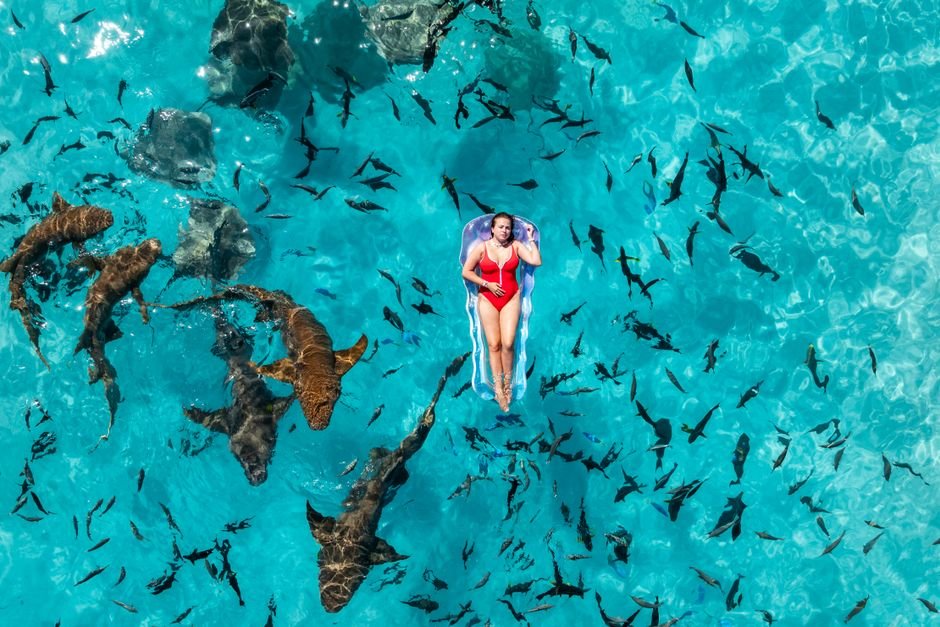
Let’s get one thing straight: Shark Week isn’t a TV event anymore. It’s a cultural juggernaut that survives by feeding on the bloated corpses of other manufactured “events”—and by the time you’re reading this, half your friends are already posting #SharkWeek memes from some Hamptons patio. Discovery’s summer cash-cow has been running since before most of this week’s TikTok marketers were born, and it’s still pulling in more attention than any brand stunt or algorithmic circus you’ll see this season.
What’s the secret? It sure as hell isn’t just the programming. Shark Week is an annual masterclass in omnichannel FOMO, powered by marketing that’s ruthlessly omnipresent. Billboards in Midtown, branded beer cans in every bodega from Astoria to Brighton Beach, AR filters on Instagram, and—God help us—shark-themed seltzers at every rooftop bar. It’s not about sharks. It’s about the relentless, migraine-inducing persistence of the Shark Week brand. You can’t escape it, and that’s the point.
Meanwhile, every agency on LinkedIn is taking notes and learning all the wrong things. They think the secret is “cultural resonance” or “authenticity.” Nonsense. It’s about flooding the zone, everywhere, at once, until the mere idea of skipping Shark Week feels like social deviance. The campaign is a blunt instrument, not a clever wink. If you’re still pitching “organic engagement,” you deserve to get eaten.
Shark Week’s staying power is a reminder that the old rules—the ones about consistency and omnipresence—still beat the algorithmic snake oil peddled by the TikTok SEO whisperers. If you want your brand to matter during a New York City summer, you need to hijack the mood, not just the newsfeed. Make people trip over your campaign at the deli, in the group chat, at the boardwalk, and yes, on their TV. Subtlety is for losers.
Here’s the uncomfortable truth: Most brands are too timid to pull this off. They’re stuck playing the ROI spreadsheet game, measuring half-assed influencer posts and calling it a strategy. Shark Week doesn’t care about your dashboards. It cares about being inescapable. If you want results, stop optimizing and start overwhelming. Otherwise, you’re chum.
Frequently Asked Questions
Why is Shark Week still so popular?
Shark Week’s enduring popularity is due to its aggressive, omnipresent marketing strategy that makes it inescapable as a cultural event, not just its programming.
How does Shark Week market itself?
Shark Week uses omnichannel marketing, including billboards, branded beer cans, AR filters on Instagram, and themed products in various locations.
What criticism does the article make about modern brand marketing?
The article criticizes brands for relying on subtlety, influencer posts, and digital-only tactics instead of overwhelming, everywhere-all-at-once campaigns like Shark Week’s.
Is Shark Week still just a TV event?
No, Shark Week has become a cultural juggernaut that dominates attention across multiple channels, far beyond just television.
What lesson does the article suggest brands should learn from Shark Week?
Brands should focus on consistency and omnipresence, creating campaigns that are inescapable rather than relying on organic engagement or algorithm-driven strategies.