Stop Handing Out ‘Seats at the Table’—Let Women Run the Damn Meeting
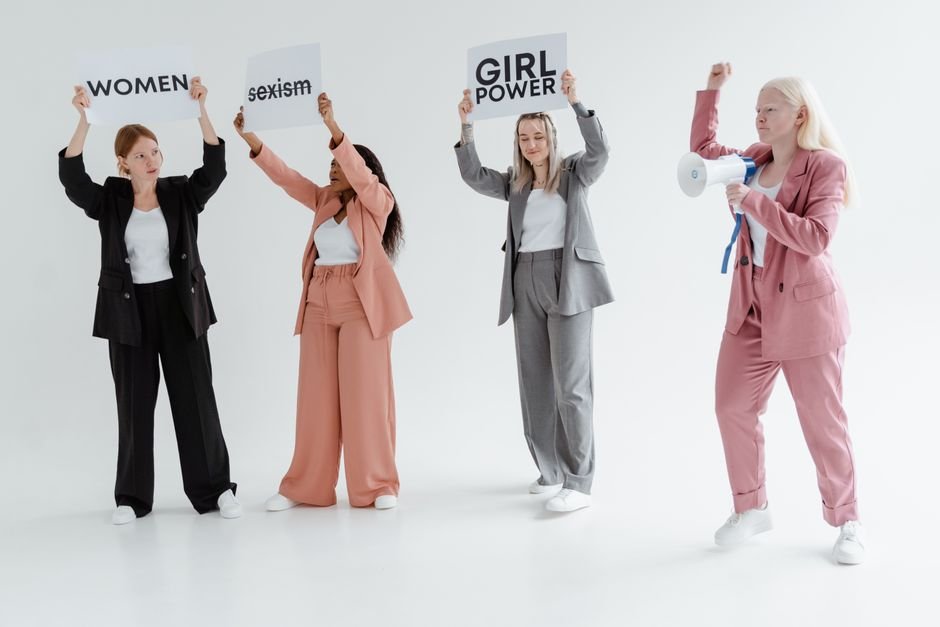
Look around any boardroom on a sticky August afternoon in Manhattan and you’ll see the charade: a few women at the far end, praised for earning a seat at the table, but God forbid they actually steer the conversation. This isn’t progress; it’s performative compliance. The male-dominated playbook—whether at Madison Avenue agencies or on the benches of the Women’s World Cup—still polices female leaders with a suffocatingly narrow vocabulary: ‘collaborative,’ ‘nurturing,’ ‘supportive.’ Try being called ‘decisive’ or ‘commanding’ as a woman and see how fast the room chills.
Let’s call out the hypocrisy. Just last Thursday, the coverage around Emma Hayes’ first training session with the USWNT focused almost exclusively on her ’emotional intelligence’ and ability to ‘unite the locker room.’ Meanwhile, when a man walks in with half her resume, he’s ‘strategic,’ a ‘master tactician,’ or, my personal favorite, ‘visionary.’ This isn’t accidental; it’s a feature, not a bug, of the system. The gatekeepers love the optics of diversity but break out in hives at the first sign of disruption to their comfortable hierarchies.
Marketing agencies, you’re just as guilty. Slapping a woman’s face on your About page and quoting her on International Women’s Day is not leadership. Real power means letting her call the shots, allocate the budget, and tell your senior partners when their pitch decks suck. But the moment a woman actually leads—raises her voice, challenges consensus, or dares to be blunt—suddenly she’s ‘difficult,’ ‘abrasive,’ or ‘not a team player.’
Stop pretending this is about meritocracy. It’s about control. The same tired adjectives that keep women boxed in are recycled by lazy HR departments, editorial boards, and LinkedIn grifters who churn out ’10 ways to support female leaders’ listicles every summer. If you’re still measuring progress by how many seats at the table look diverse, you’re missing the point. Women don’t need your permission to lead—they need you to get out of the damn way.
Here’s the uncomfortable fix: Step aside. If you’re a male exec who’s been coasting on autopilot since Memorial Day, skip your next round of performative allyship and hand over actual authority. Let a woman run the meeting, veto the agenda, or—God forbid—fire the dead weight. Anything less is just window dressing for the status quo.
Frequently Asked Questions
What is the main argument of the article ‘Stop Handing Out ‘Seats at the Table’—Let Women Run the Damn Meeting’?
The article argues that giving women a ‘seat at the table’ is not enough and that real progress requires allowing women to lead meetings and make decisions, not just occupy symbolic roles.
How does the article critique the language used to describe female leaders?
It points out that female leaders are often described with terms like ‘collaborative’ and ‘nurturing,’ while male leaders are called ‘strategic’ and ‘visionary,’ reinforcing gendered stereotypes and limiting women’s authority.
What example does the article give regarding Emma Hayes and media coverage?
The article notes that coverage of Emma Hayes’ first training session with the USWNT focused on her ’emotional intelligence’ and ability to ‘unite the locker room,’ rather than her tactical skills.
What does the article say about performative diversity in workplaces?
It criticizes workplaces for showcasing women in visible roles for optics while withholding real decision-making power, calling this ‘performative compliance’ rather than genuine progress.
What solution does the article propose for advancing women in leadership?
The article suggests that men in power should step aside and give women actual authority to lead meetings, make decisions, and challenge the status quo, instead of just offering symbolic inclusion.