Heineken’s Shameless World Cup Cash Grab: Soccer-Themed 12-Packs to Flood U.S. Shelves This Summer
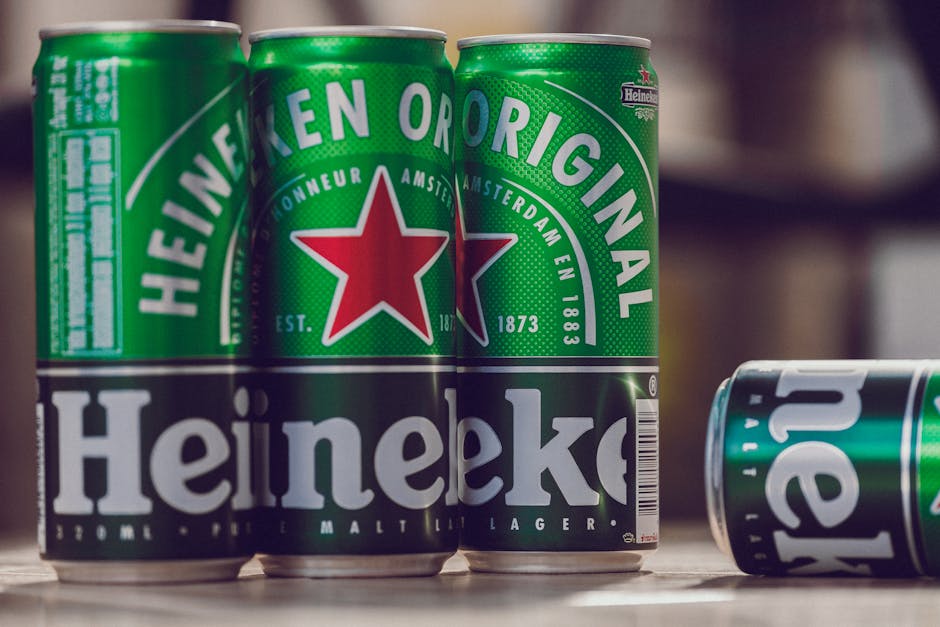
Get ready for the same tired marketing song and dance from Heineken as the World Cup fever kicks into high gear. The beer giant is doubling down on the classic sports sponsorship playbook, rolling out limited-edition soccer-themed 12-pack and 24-pack offerings across the U.S. Because nothing screams “authentic fan engagement” like slapping a ball on a beer pack and calling it a day.
This move is textbook corporate opportunism, designed to ride the coattails of global soccer hype without actually doing anything innovative or meaningful. Heineken’s strategy is less about connecting with fans and more about exploiting a sporting event for maximum profit. It’s a marketing stunt dressed up as brand loyalty, and frankly, it’s as lazy as the agencies that keep pitching these cookie-cutter campaigns year after year.
Behind the glossy packaging, there’s no new digital strategy or community-building effort. Just another limited-edition SKU designed to get consumers to swap their usual beer for a Heineken with a soccer ball on the box. Meanwhile, smaller craft brewers who actually invest in authentic storytelling and fan culture get drowned out by this kind of self-serving corporate noise.
If you think this is a fresh take, think again. Heineken has been doing the World Cup dance for years, and the only thing that changes is the flavor of the packaging. This isn’t marketing — it’s brand inertia, and it’s high time the industry called out these shallow plays. Real fan engagement requires more than seasonal packaging; it demands creativity, genuine connection, and yes, a little risk-taking. But why do that when you can just print a soccer ball on a box and rake in the dollars?
The uncomfortable truth? If you’re in marketing and you’re still pushing these “limited-edition” gimmicks as innovation, you’re part of the problem. The World Cup is a global spectacle, not your personal cash cow. Brands like Heineken need to stop pretending that slapping a logo on a pack constitutes meaningful strategy. It doesn’t. It’s a shallow, zero-effort blip on the radar of an otherwise dull marketing calendar. And consumers see right through it.