Hinge’s New Campaign Glorifies Gen Z’s Swipe Near-Misses—Because Love Is a Series of Almosts
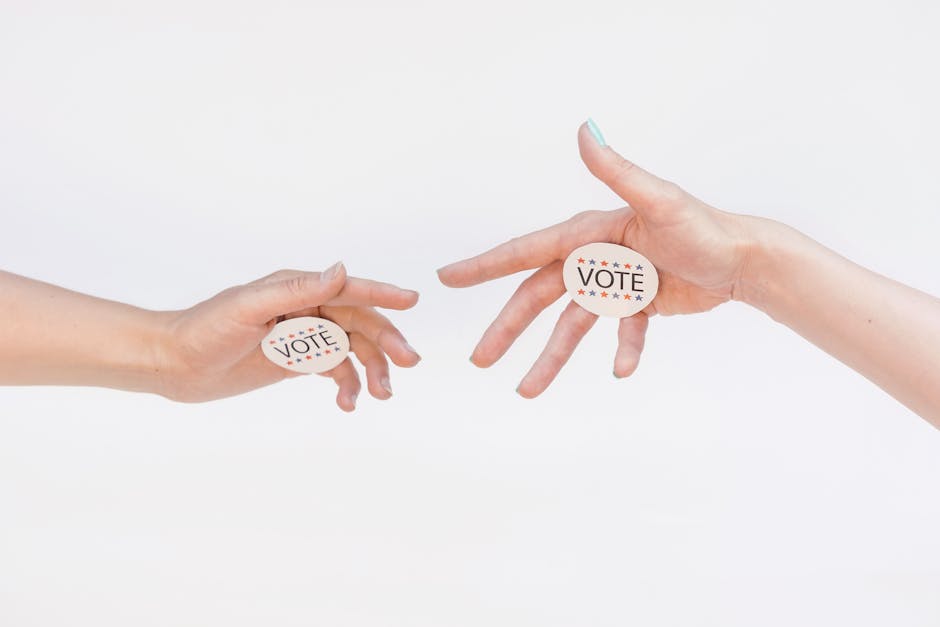
Hinge just rolled out a fresh marketing salvo titled “Can’t Believe We Met on Hinge,” and it’s their first move under newly minted marketing czar Tamika Young. The campaign doesn’t just celebrate successful matches; it glorifies the near misses, the almosts, the serendipitous close calls that define Gen Z’s digital dating chaos. It’s a clever pivot from the tired narrative of perfect algorithmic matchmaking to the messy reality of modern love — where every swipe left is just a step toward that improbable right swipe.
This campaign is a sly admission that, despite all the AI-driven profile optimizations and data crunching, dating apps like Hinge are still a roulette of chance and timing. Instead of pretending their tech is magic, Hinge leans into the human element: the near misses, the “what if” moments, and the stories forged in digital limbo. It’s refreshing in an industry clogged with empty promises of “10x better matches” and “instant chemistry,” mostly pushed by lazy agencies and self-serving tech myths.
Tamika Young’s approach is a direct challenge to the usual glossy, success-only dating narratives. By highlighting near misses, Hinge taps into a truth every user knows but no brand admits: dating apps are less about instant love and more about persistence through awkward, almost-there moments. It’s a marketing move that feels honest, a rarity in a space addicted to polished success stories and influencer-fueled grift.
Still, don’t mistake this campaign for a call to lower standards. It’s a reminder that meaningful connections often sprout from messy attempts and near failures — a narrative that cuts through the noise of AI hype and influencer SEO grift. In a world where every swipe is algorithmically optimized yet human connection remains unpredictable, Hinge’s celebration of near misses is a brutally honest, if unconventional, branding play.
If you’re tired of the same old “perfect match” fairy tales pumped out by plugin-bloated, theme-cartel marketing machines, this campaign is a breath of fresh air. It’s a nod to the chaos beneath the curated profiles and the imperfect stories that ultimately make Gen Z’s love lives so compelling. And that honesty? It’s the kind of disruptive truth the dating app industry desperately needs.